Weddings on your terms
Written by: Jodie Garneau 

This blog is all about LGBTQ wedding venues and wedding planning. LGBTQ+ weddings are, at their core, intentional as hell. They’re a celebration of love that’s deeply personal, consciously chosen, and rooted in care. And in 2026—when same-sex marriage rights and queer visibility are once again under scrutiny in many parts of the world—the wedding venue stops being “just a pretty place” and becomes something much more important. Your venue is a container. For safety. For joy. For self-expression. For chosen family. It’s the place where you get to exhale, hold hands without thinking twice, and be surrounded by people who see you fully and love you loudly.
The wedding planning process and the atmosphere of LGBTQ+ weddings are truly exciting, filled with joyful and memorable moments that make each celebration unique and unforgettable.
While marriage equality has opened more doors globally, LGBTQ+ couples are still navigating very real questions around inclusion, comfort, and belonging. Planning can feel thrilling and heavy at the same time. The right venue doesn’t just photograph well—it makes you feel protected, supported, and free to show up exactly as yourselves.
And that feeling? It changes everything.
Keep reading to find Wedding Planner Thistle & Thorne Wedding’s top pics for the best lgbtq wedding venues across Canada: your perfect destination awaits!
Top Takeaways
Vancouver is ideal for LGBTQ couples drawn to nature-forward wedding venues. From ocean views to forest and mountain settings, Vancouver offers flexible, inclusive spaces that feel expansive, grounded, and deeply connected to place.
Toronto delivers diversity, design, and choice in LGBTQ wedding venues. Lofts, rooftops, historic landmarks, and modern hotels make Toronto one of Canada’s most versatile cities for LGBTQ weddings.
Montreal offers romantic, culture-rich LGBTQ wedding venues.With its historic architecture, waterfront spaces, and relaxed energy, Montreal is perfect for couples seeking intimacy with character.
Thistle & Thorne plans LGBTQ weddings in venues that feel genuinely safe and affirming. We work with inclusive venues and vendors who understand LGBTQ weddings in practice, not just on paper—so your celebration feels supported, easeful, and fully yours.
Table of content
- Planning an LGBTQ Destination Wedding: The Challenges
- What Makes a Wedding Venue LGBTQ-Friendly
- Wedding Venue Options
- Montreal LGBTQ Wedding Venues
- Vancouver LGBTQ Wedding Venues
- Tips for Planning a Successful LGBTQ Wedding
- Frequently Asked Questions About LGBTQ Weddings in Canada
- What is the most LGBTQ-friendly province in Canada?
- Where are lesbians most accepted in Canada?
- How do LGBTQ couples get married in Canada?
- What is the most LGBTQ-friendly city in Canada?
- Are all wedding venues in Canada LGBTQ-friendly?
- How can we tell if a wedding venue is truly LGBTQ-friendly?
- Is it easier to plan an LGBTQ wedding in a major city?

Planning an LGBTQ Destination Wedding: The Challenges
Planning a destination wedding within Canada can still come with very real challenges for LGBTQ+ couples—even with marriage equality firmly in place. While the country is broadly inclusive, not every venue, region, or vendor brings the same level of fluency, intention, or lived experience. That often means navigating quiet assumptions around tradition, language, and “roles,” especially when planning outside your home city or province.
Layer in long-distance logistics, guest travel, and the very real desire for everyone to feel safe, seen, and genuinely celebrated—and what should feel dreamy can quickly get complicated. The work isn’t just about planning a wedding. It’s about creating an environment where you don’t have to explain yourselves, soften yourselves, or stay on guard.
Common challenges LGBTQ couples face when planning a Canadian destination wedding include:
- Finding venues with real experience hosting LGBTQ weddings (not just inclusive messaging)
- Navigating contracts and communication that assume traditional roles or language
- Coordinating vendors remotely across provinces and time zones
- Managing guest travel to locations outside major cities or across borders
- Ensuring LGBTQ guests feel comfortable in less familiar regions
- Balancing logistics while still creating a wedding that feels personal and expressive
We are wedding planners who truly understands LGBTQ+ weddings removes the friction. With a vetted network of queer-friendly vendors and zero emotional labour required from you, safety and comfort are built in from day one.

What Makes a Wedding Venue LGBTQ-Friendly
An LGBTQ-friendly wedding venue is one where inclusion is lived into the experience, not tucked into a line of marketing copy. The challenge is that many venues sound inclusive online, while the reality only becomes clear once you start asking the right questions. Knowing what to listen for, and what to notice, can make all the difference.
In our experience, truly inclusive venues don’t hesitate when inclusion comes up. They answer clearly, confidently, and without defensiveness. They’ve hosted LGBTQ weddings before, they understand that not all couples fit traditional roles, and they’ve already adapted their systems accordingly.
Pay attention not just to what they say, but how they say it. Ease, familiarity, and openness are good signs. Hesitation, vague answers, or over-reassurance often signal inexperience.
True inclusivity has to extend well beyond the sales rep or venue manager you meet on the tour. A venue can have all the right language in a proposal and still fall short if that care doesn’t carry through to the full team. Your wedding day is shaped just as much by the people pouring drinks, resetting chairs, and cleaning rooms as it is by the person who signed the contract.
We’ve seen situations where leadership was supportive, but LGBTQ+ guests were made uncomfortable by offhand jokes, loaded comments, or subtle microaggressions from servers or housekeeping staff. Nothing overt. Nothing you could easily call out in the moment. Just enough to shift the energy and make people feel watched instead of welcome.
That’s why it matters to ask how inclusion shows up at every level of a venue’s operations. Training, internal policies, and accountability all matter. A truly inclusive venue doesn’t rely on one good contact person—it creates an environment where every guest, in every interaction, is treated with respect. And that kind of consistency is what allows you and your people to fully relax and be present on the day.
Questions to ask when assessing whether a venue is genuinely LGBTQ-friendly:
- Have you hosted LGBTQ or same-sex weddings before?
- How does your team handle inclusive language, pronouns, and titles?
- Are your contracts and planning materials gender-neutral?
- Are there any restrictions on ceremony structure, language, or traditions?
- Can we choose our own officiant and vendors?
- How do you support LGBTQ guests and families on the day itself?
- How is LGBTQ+ inclusion reflected in your staff training, internal policies, and employment practices?
Wedding Venue Options
Toronto LGBTQ Wedding Venues
The Drake Hotel (Higher-End Option)
The Drake Hotel is one of Toronto’s OG LGBTQ+–affirming wedding venues—and it shows in how they operate, not just how they style a room. With art-forward spaces, iconic rooftops, and boutique hospitality that actually feels personal, The Drake has long made itself a home for creative, inclusive celebrations where being yourselves isn’t a footnote—it’s the whole point.
Why it works for LGBTQ weddings:
The Drake openly markets itself as an inclusive, progressive space. Their website and brand messaging consistently emphasize diversity, self-expression, and community, and they regularly partner with and host LGBTQ+ cultural events. Their weddings and events pages use gender-neutral language, and the venue has a visible history of hosting same-sex weddings, Pride programming, and queer artists. This isn’t a venue “trying it out”—it’s baked into their brand.
What to know:
This is a premium venue, both in cost and in experience. Couples choose The Drake when they want great design, a little nightlife energy, and a celebration that feels unmistakably Toronto. It’s the kind of place where the party doesn’t politely wrap up early—and where your wedding feels more like a cultural moment than a formal affair.
The Loft on King Street (More Budget-Friendly Option)
The Loft on King Street is a flexible, no-frills, historic loft venue that has quietly become a favourite among LGBTQ couples who want freedom over formality. It’s centrally located, customizable, and refreshingly straightforward.
Why it works for LGBTQ weddings:
The Loft explicitly markets itself as a venue for all couples, using inclusive, non-gendered language across its website and booking materials. They emphasize flexibility over tradition, allowing couples to bring in their own officiants, vendors, and ceremony structure—an important signal for LGBTQ weddings. Their online galleries and testimonials proudly include same-sex couples, and their messaging centres “your vision” instead of outdated roles, rigid formats, or one-size-fits-all traditions.
What to know:
This venue is more budget-accessible than full-service hotels, especially for couples who want to prioritize personalization and guest experience over built-in luxury. It’s ideal for couples who want ceremony and reception in one space without unnecessary restrictions.
Need a Toronto Wedding Planner? The Thistle & Thorne team is ready to help!
Montreal LGBTQ Wedding Venues
Le Belvédère du Vieux-Port (Higher-End Option)
Le Belvédère du Vieux Port de Montréal
Le Belvédère du Vieux-Port is a refined, light-filled venue perched along Montreal’s historic waterfront. Couples gravitate here when they want elegance without the stiffness—elevated, polished, and still very much allowed to have a personality. Think soaring windows, river views that do a lot of the heavy lifting, and a vibe that feels romantic without tipping into precious. It’s classic Montreal charm, minus the formality hangover.
Why it works for LGBTQ weddings:
Le Belvédère consistently uses gender-neutral language across its website and event materials, referring to “couples” rather than prescribed roles. Their galleries and real wedding features visibly include same-sex couples, and the focus stays firmly on personalization and flexibility rather than tradition for tradition’s sake. Montreal’s broader cultural openness shows up here too—in how easily ceremonies, layouts, and flow are adapted, without friction or fuss.
What to know:
This is a premium venue, best suited for couples who want architectural beauty, sweeping views, and a polished guest experience. It’s especially appealing for LGBTQ couples looking for romance with confidence—nothing performative, just beautifully done.
Sala Rossa / Casa del Popolo (More Budget-Friendly Option)
Sala Rossa and its sister space Casa del Popolo are beloved Montreal institutions rooted deeply in the city’s arts and LGBTQ communities. These venues feel intimate, creative, and unapologetically human.
Why it works for LGBTQ weddings:
Both spaces are explicitly queer-friendly in practice and reputation. They regularly host LGBTQ cultural events, fundraisers, and performances, and their online presence makes their values clear without needing to spell them out. The venues are known for their openness, non-traditional layouts, and relaxed approach to celebration—qualities that many LGBTQ couples value deeply.
What to know:
These venues are far more budget-accessible than traditional wedding halls and are ideal for couples who want authenticity over formality. Expect character, warmth, and a space that already feels like it belongs to the community.
Need a Montreal Wedding Planner? The Thistle & Thorne team is ready to help!
Vancouver LGBTQ Wedding Venues
Fairmont Pacific Rim (Higher-End Option)
The Fairmont Pacific Rim is one of Vancouver’s most iconic luxury venues, offering sweeping views of the harbour, mountains, and skyline. It’s sleek, modern, and deeply connected to the city’s creative and cultural scene.
Why it works for LGBTQ weddings:
The Fairmont brand has a long-standing, public commitment to LGBTQ inclusion, including visible participation in Pride events, inclusive policies, and internal diversity programs. Their weddings and events materials use inclusive language, and the hotel regularly hosts same-sex weddings. For couples who want high-end service without needing to advocate for themselves, this matters.
What to know:
This is a high-investment venue with a full-service experience. It’s best for couples who want refined design, impeccable hospitality, and a sense of occasion that still feels current and inclusive.
The Permanent (More Budget-Friendly Option)
The Permanent is a heritage venue in downtown Vancouver that blends history, flexibility, and accessibility. It’s beloved by couples who want a space with meaning and character—without a mile-long list of rules or a side of unnecessary rigidity. Think grand architecture, inclusive values, and the freedom to shape a day that feels intentional, personal, and very much your own.
Why it works for LGBTQ weddings:
The Permanent markets itself as an inclusive, community-oriented venue and uses gender-neutral language throughout its site and booking process. They emphasize flexibility, accessibility, and collaboration—key indicators for LGBTQ weddings. Their history of hosting diverse cultural and community events, including queer-focused gatherings, reinforces that inclusion isn’t an afterthought.
What to know:
This venue is more budget-friendly than luxury hotels while still offering grandeur and character. It’s ideal for couples who want freedom to design their day their way, with support but without constraint.
Need a Vancouver Wedding Planner? The Thistle & Thorne team is ready to help!

Tips for Planning a Successful LGBTQ Wedding
Start with clarity.
Defining your budget and guest list early creates a foundation that makes every other decision feel more intentional. This isn’t about locking yourselves into a rigid number—it’s about having honest, candid conversations around what that budget actually includes, what it doesn’t, and where flexibility lives. Knowing the difference between “all-in” costs and line items that tend to sneak up later is one of the most grounding things you can do at the start.
Work with LGBTQ-affirming experts.
Experienced planners understand the family dynamics that can show up at queer weddings and plan ahead for them. We navigate complicated relationships with calm, compassion, and zero awkwardness, while also offering creative alternatives to traditional gendered wedding norms—from multiple aisles to inclusive seating and wedding party structures. The goal is simple: a day that feels safe, intentional, and fully yours, while we quietly handle the rest.
Research beyond the highlight reels.
Read reviews from other LGBTQ+ couples and pay close attention to how venues communicate. Inclusive language, transparency, and recommendations from queer couples matter far more than styled photos or vague claims of inclusivity. Resources like Dancing With Her and Dancing With Them help ground your search in real lived experience—so you can choose spaces that truly feel safe and supportive.
Ask thoughtful questions.
The right venues and vendors will welcome your questions and answer them with ease. Talking to other LGBTQ+ couples often reveals the subtle but important details that don’t show up online—because even well-intentioned spaces can miss the mark in ways that add up over time. Lived experience gives you the context no brochure can, helping you tell the difference between truly supportive and merely trying.
Make space to be present.
Amid timelines and decisions, remember to slow down and enjoy the process. Your wedding is a celebration of love, connection, and shared life—those moments matter just as much as the planning details.
Thistle & Thorne Weddings offers budget consultations!
For couples at any stage of planning—whether you’re just sketching out possibilities or already knee-deep in quotes—to help you understand where your money is going and how to allocate it in a way that supports your priorities, not just industry expectations.

Frequently Asked Questions About LGBTQ Weddings in Canada
What is the most LGBTQ-friendly province in Canada?
Canada is broadly welcoming to LGBTQ+ couples, but British Columbia, Ontario, and Quebec are often considered the most LGBTQ-friendly provinces for weddings. These provinces combine strong legal protections, visible queer communities, and a high concentration of inclusive venues and vendors. Cities like Vancouver, Toronto, and Montreal consistently attract LGBTQ couples because inclusion is not only accepted—it’s expected.
Where are lesbians most accepted in Canada?
Acceptance for lesbians and queer women is strongest in major urban centers with established LGBTQ communities and cultural infrastructure. Montreal, Toronto, and Vancouver stand out for their visibility, safety, and community support. These cities offer inclusive venues, diverse social scenes, and vendors experienced in planning weddings that don’t rely on gendered traditions or assumptions.
How do LGBTQ couples get married in Canada?
Same-sex marriage has been legal across Canada since 2005—hell yes, Canada 🇨🇦 LGBTQ couples can get married anywhere in the country by following the same legal steps as any other couple. There are no additional legal barriers for LGBTQ couples in Canada, making it one of the most straightforward and supportive countries to marry in.
- Apply for a marriage licence in the province where you’re tying the knot
- Choose a licensed officiant (the one who gets you)
- Do the thing. Say the vows. Get married.
- Register the marriage with the province and make it official-official 💍
What is the most LGBTQ-friendly city in Canada?
There isn’t a single answer—but Toronto, Vancouver, and Montreal are consistently recognized as Canada’s most LGBTQ-friendly cities. Each offers a slightly different experience:
- Toronto is diverse, energetic, and highly accommodating
- Vancouver blends inclusivity with nature-forward venues
- Montreal offers romance, creativity, and cultural ease
All three cities have deep vendor networks experienced in LGBTQ weddings.
Are all wedding venues in Canada LGBTQ-friendly?
Not necessarily. While Canada is legally inclusive, venue experience still varies widely. Some spaces are deeply affirming and genuinely experienced with LGBTQ+ weddings, while others are inclusive in name only. Asking direct questions about past weddings, inclusive language, and flexibility isn’t optional—it’s essential.
And it’s worth knowing that some venues and vendors will quietly, strategically abstain. They won’t say no outright. They’ll just stop replying, claim they’re “no longer available,” or suddenly become very booked. Legal? Not really. Real? Very much so.
How can we tell if a wedding venue is truly LGBTQ-friendly?
Look for venues that:
- Use gender-neutral language in contracts and communication
- Publicly feature or reference LGBTQ weddings
- Answer inclusion-related questions with ease and confidence
- Allow flexibility in ceremony structure, vendors, and traditions
If a venue hesitates or gives vague answers, that’s important information.
Is it easier to plan an LGBTQ wedding in a major city?
For many couples, yes. Major cities tend to have:
- More inclusive venues and vendors
- Greater experience with LGBTQ weddings
- Easier guest travel and accommodation options
That said, smaller towns and destination regions can be wonderful—with the right vetting and planning support. Some of our absolute favourite locations are private residences, where flexibility, exclusivity, and sentimentality come together in the best possible way. There’s often more freedom to shape the day exactly as you want it, fewer institutional rules to navigate, and a built-in sense of intimacy that’s hard to replicate elsewhere. When chosen thoughtfully, these spaces can feel deeply personal, incredibly safe, and completely yours.
Written by: Jodie Garneau
Planning a wedding in Toronto is thrilling, but also overwhelming when it comes to budgeting. With so much conflicting information online, Toronto couples are left wondering:
“What is the average wedding cost Toronto couples should expect in 2026?”
“How much does a 100 person wedding cost?”
“What does each vendor category actually cost—and who charges what?”
This guide gives you the real numbers, real examples, and real Toronto vendors — all matched to the exact pricing tier you’re exploring. No fluff, no guesswork, just the clarity you need to plan with confidence.
Whether you’re planning a $40k celebration or a $150k elevated experience, this is the most accurate, data-backed Toronto wedding cost guide for 2026. No scare tactics, no vague ranges — just the real numbers you need to plan with confidence.
Need more help planning your dream wedding?
Learn More About Thistle & Thorne Toronto Wedding Planners
SUMMARY: Toronto Wedding Costs in 2026
Pulled from real vendor surveys, current industry trends, and what couples are actually booking for 2025–2026, Toronto wedding costs typically shake out into three tiers — because yes, even budgets have personalities.
- Small/Intimate Weddings: $25,000–$50,000
- Mid-Range Weddings: $50,000–$80,000
- Premium Weddings: $80,000–$150,000+
These ranges cover everything — full-service venue catering, professional vendors, décor, attire, entertainment, transportation, and all the behind-the-scenes production that makes the day actually happen.
And yes, Toronto weddings really do cost more. While the average wedding in Ontario sits around $30,000–$45,000 in suburban and rural areas, Toronto pricing jumps 20–40% thanks to urban labour rates, vendor demand, rental logistics, and a whole lot of competition for limited venues.
How Much Does a 100 Person Wedding Cost in Toronto?
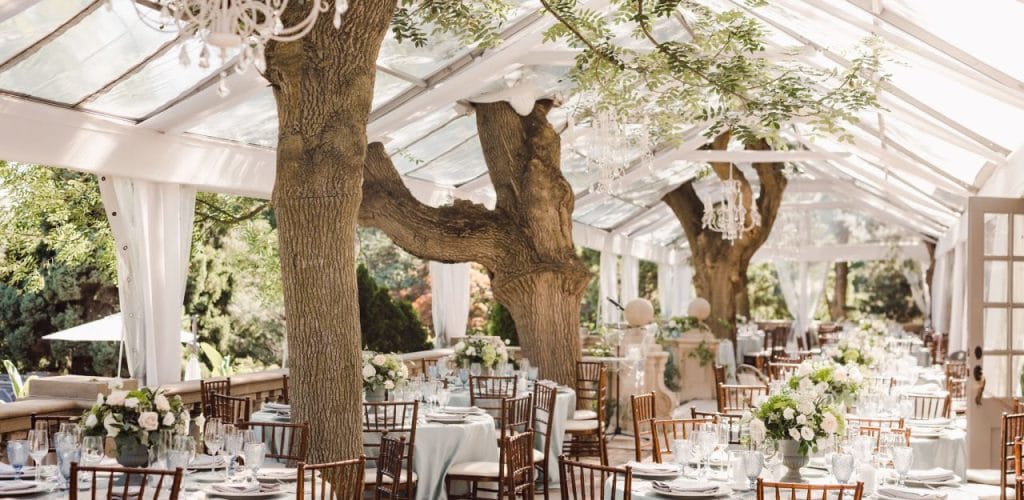
A 100-guest wedding is the most common — and the easiest to model — which makes it the perfect benchmark for Toronto couples building a realistic budget.
For a 100-person wedding in Toronto in 2026, couples should expect: $45,000–$80,000+
This ballpark typically includes:
- Catering
- Venue rental or minimum spend
- Staffing
- Bar service
- Florals & décor
- Photography & videography
- Entertainment (DJ/band)
- Attire, hair & makeup
- Transportation
- Misc. production fees
Hidden Cost / Variable Call Out:
Per-guest catering — the sneaky line item that adds up fast — can range from $100–$250+ per person, depending on the menu style, service level, and whether you’re going classic, culinary-forward, or full-on gourmand.
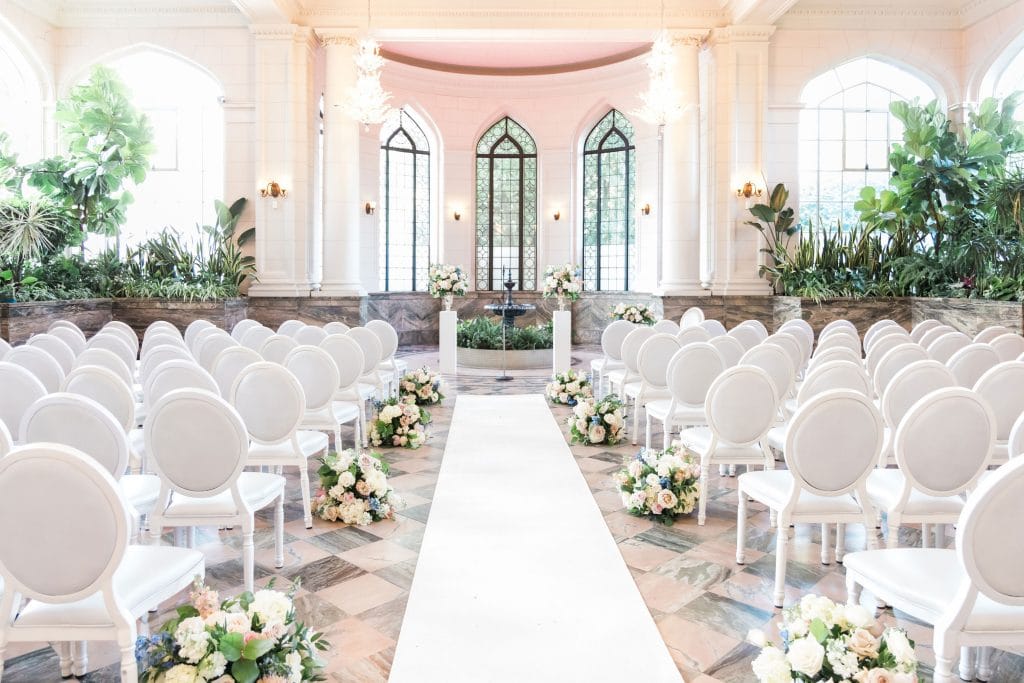
TORONTO WEDDING COSTS BY CATEGORY (WITH REAL VENDOR EXAMPLES)
Below is the full breakdown of Toronto’s 2026 wedding costs — complete with real vendor examples so you can explore options that actually match each price tier (and not just wishful thinking).
1. Wedding Venue & Catering Costs in Toronto
Venue + catering typically make up 40–50% of your total budget, or:
$25,000–$45,000+
Mid-Range Venue Examples (Matching $15k–$30k budgets):
Premium Venue Examples (Matching $30k–$60k+ budgets):
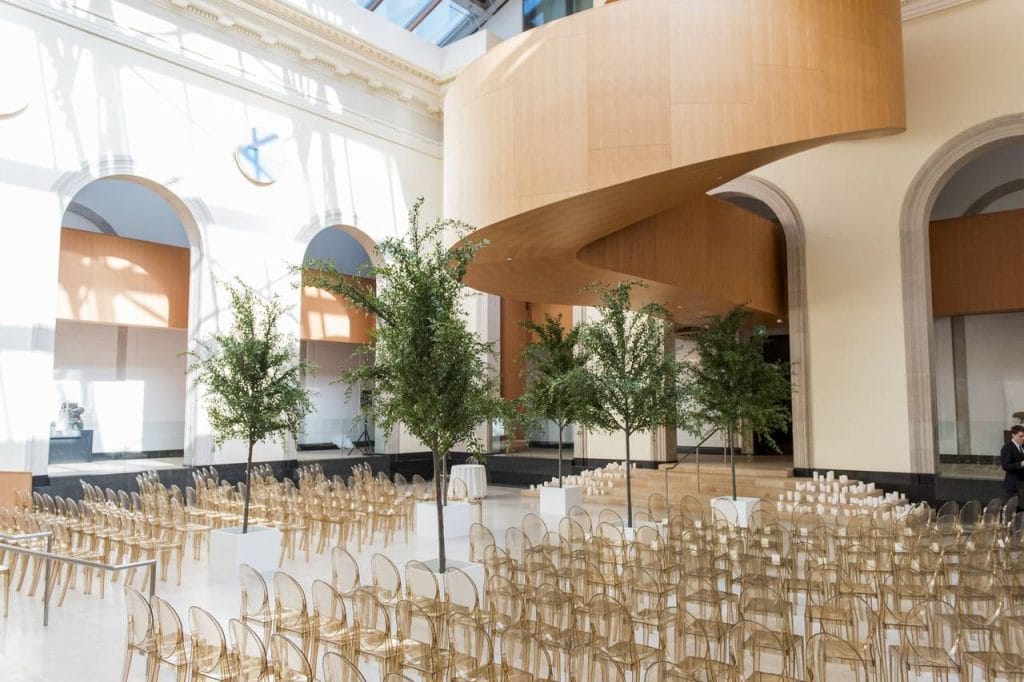
Venue Cost Factors
1. Season and Date
May–October = highest pricing and firm policies.
Winter months = 10–30% lower minimums and generally more flexibility.
2. Day of Week
Saturdays come with the longest lead times and the highest minimums — the Beyoncé of wedding dates. Fridays and Sundays are far more flexible (and way kinder to your budget).
And if you really want the VIP treatment, weekdays (Mon–Thurs) offer the best pricing, the most flexibility, and venues that are basically yours for the taking.
3. Duration
Long celebrations (9+ hours) rack up overtime staffing and often trigger extra fees for extended licensing. Rental vendors can also sneak in late-night teardown charges once you cross into pumpkin-hour territory. And don’t forget: bartenders, servers, and venue staff all switch to after-hours rates the moment the clock strikes “overtime.” Transportation companies love a late-night surcharge, especially after midnight. And if vendors have to come back the next morning to finish teardown, expect a few “surprise, it’s a second trip!” line items on the final invoice.
4. Inclusions
Some Toronto venues come fully loaded — chairs, tables, dinnerware, glassware, linens, bar setups, cocktail tables, patio heaters, umbrellas, AV gear, staffing, and onsite kitchens. Others hand you four walls and a dream, requiring full rental orders to essentially “build” the venue from scratch. Both approaches have their charms: all-inclusive venues keep your logistics (and vendor list) blissfully streamlined so you can focus on the fun stuff, while the more DIY-style spaces offer maximum personalization… along with a puzzle of deliveries, pickups, and overlapping fees that can make your planner’s eye twitch.
5. Minimum Spend Requirements
This is one of Toronto’s biggest cost drivers. Many venues require $15,000–$50,000+ in food and beverage minimums before taxes and service charges. If you’re a culinary-minded couple, these minimums are basically a non-issue—you’d spend it anyway. But if your priority is a stunning space and food/drink is more of a “nice to have,” those minimums can balloon your total spend faster than you can say “signature cocktail.”
2. Wedding Catering Costs in Toronto
Per-person catering costs vary widely:
- Mid-range: $50–$150+
- Premium: $150–$250+
- Luxury: $300+ per person
And remember — that starting price is just the appetizer. Once you add upgraded proteins, extra courses, canapés during cocktail hour, late-night snacks, and the often-forgotten wedding party breakfast, it’s shockingly easy to blow past the “per person” number that wedding packages love to advertise.
Mid-Range Caterers:
Luxury Caterers:
Hidden Cost / Variable Call Out: Late-night stations and premium bar packages raise costs quickly.
3. Wedding Photography & Videography
In Toronto, most couples spend around $6,000–$10,000 for combined photography and videography—totally fair for a solid mid-tier team covering the full day. But if you’re after cinematic films, multiple shooters, drone magic, or gallery-worthy editorial vibes, those numbers climb fast into the $10,000–$15,000+ range. Photography alone often runs $4,000–$7,000, with videography mirroring that depending on how fancy you get. Yes, you can find budget options under $4,000, but expect shorter hours and far simpler deliverables. If storytelling, artistry, and “wow, we actually look like a magazine spread” energy matter to you, plan for the upper tier. Toronto has incredible talent—but the upgrades add up faster than you can say “golden hour.”
Toronto photography & video combined typically cost:
Mid-Range Photographers:
Premium Photographers:
Videographers:
Hidden Cost / Variable Call Out: Premium add-ons include:
- Drone footage — totally optional, but if you’ve got a scenic property or a visual installation that deserves its own moment, drone is an amazing add-on. It brings a cinematic sweep to your gallery or film and tells the story of your day from a whole new perspective.
- Second shooter — we recommend one every. single. time. Not because you need a full paparazzi squad, but because it guarantees both the close-up and the wide shot of the same magical moment (like that iconic first kiss). It also lets one photographer focus on décor details and guest interactions while the other focuses on you and the wedding party. Translation: zero missed moments.
- Full ceremony edit — this is the start-to-finish, no-skipped-vows version of your ceremony. Think of it as the archival keepsake: every word, every reading, every reaction captured in full so you can relive the entire moment exactly as it happened.
- Cinematic highlight film — this is the polished, emotional, movie-trailer version of your day. It blends the best moments, the prettiest visuals, and the most meaningful audio into a beautifully edited short film that feels like your own mini-love-story feature. Also, if you’re wanting to share your wedding video on socials, this is the version people will actually watch (not the long sentimental version you keep for yourself).
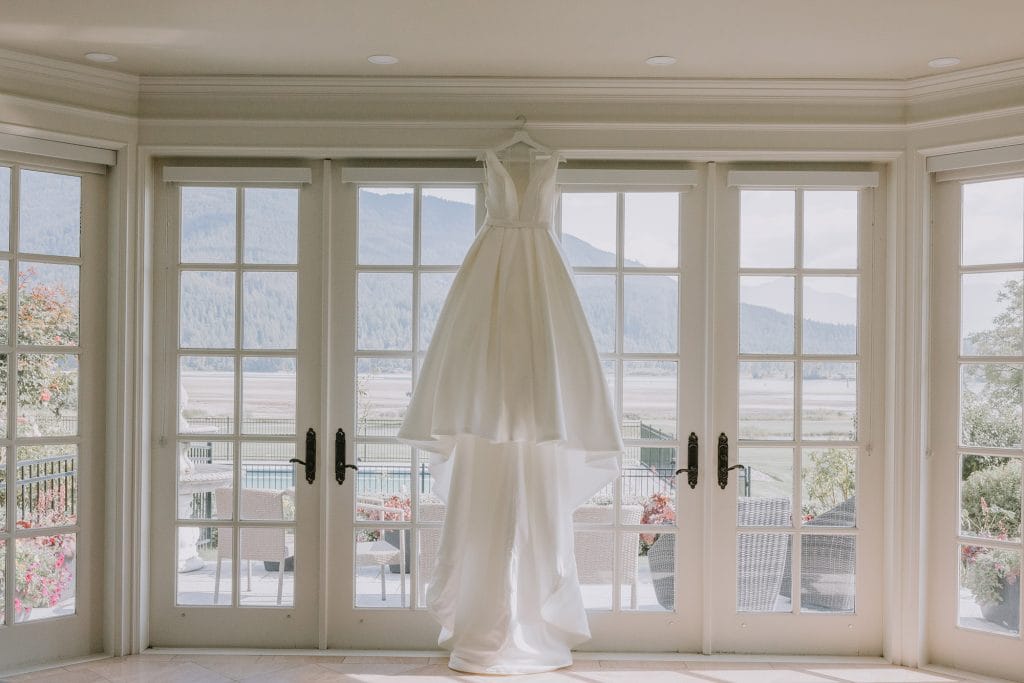
4. Wedding Attire + Beauty Services
Beyond the sticker price of the dress itself, don’t forget the quiet-but-inevitable costs that come after: alterations, pressing/steaming, and preservation. Alterations typically run $300–$900+, depending on the complexity of the gown (fabric type, lace appliqué, boning adjustments, hemming multiple layers, bodice restructuring — all of these impact cost). Pressing or steaming pre-wedding can range $75–$150, and professional post-wedding preservation sits around $250–$500, especially for gowns with delicate beading or multiple fabric types.
Couples also often forget to account for the additional outfits that sneak into the overall wardrobe budget. Think:
- Reception or “second look” dress
- Cultural attire (like the stunning red qipao worn by many Chinese brides during tea ceremonies)
- Bridal shower outfit
- Bachelorette outfit(s)
- Rehearsal dinner attire
- Post-wedding brunch look
None of these are mandatory — but if fashion is a priority, they can easily add $300–$2,000+ depending on style and number of events. Budget accordingly so nothing catches you by surprise.
Wedding Dress Costs:
- Budget-friendly: $800–$1,500
- Example: Sash & Bustle
- Mid-range: $1,800–$3,500
- Example: Ferré Sposa
- Luxury: $5,000–$12,000
- Example: White Toronto
Groom’s Attire:
Grooms also have their own version of “don’t forget these costs”: tailoring (typically $75–$250+), shirt pressing, accessories (tie, pocket square, shoes, cufflinks), and—if cultural attire is part of the celebration—traditional garments that may add another $200–$800+. Reception outfit changes are becoming more popular too, especially for grooms who want something lighter, cooler, or more dance-friendly.
- Mid-range suits: $400–$800
- Example: Indochino
- Premium suits: $1,000–$3,000+
- Example: Garrison Bespoke
Hair & Makeup Artists:
- Mid-range: $150–$250 per service
- Premium: $300–$600 per service
Luxury-Tier HMUA (Celebrity, Editorial & Couture Styling)
- Luxe Bridal Glow
- Blush Avenue
- Bridal Hair Couture by Katie
- Mona.co Studio (also premium, but luxury-calibre for bridal editorial looks)
- Helia Tavakoli Beauty (specializes in ultra-glam, all-day service packages)
South Asian Bridal Hair & Makeup Specialists
- Faye Smith Agency — South Asian Bridal Division
- Ayesha Hussain Artistry (Beautee by Ash)
- Satine Studio (Chinese, Asian, and fusion bridal looks)
- Bridal Beauty (multi-cultural wedding HMUA team)
- Michael Fels Beauty
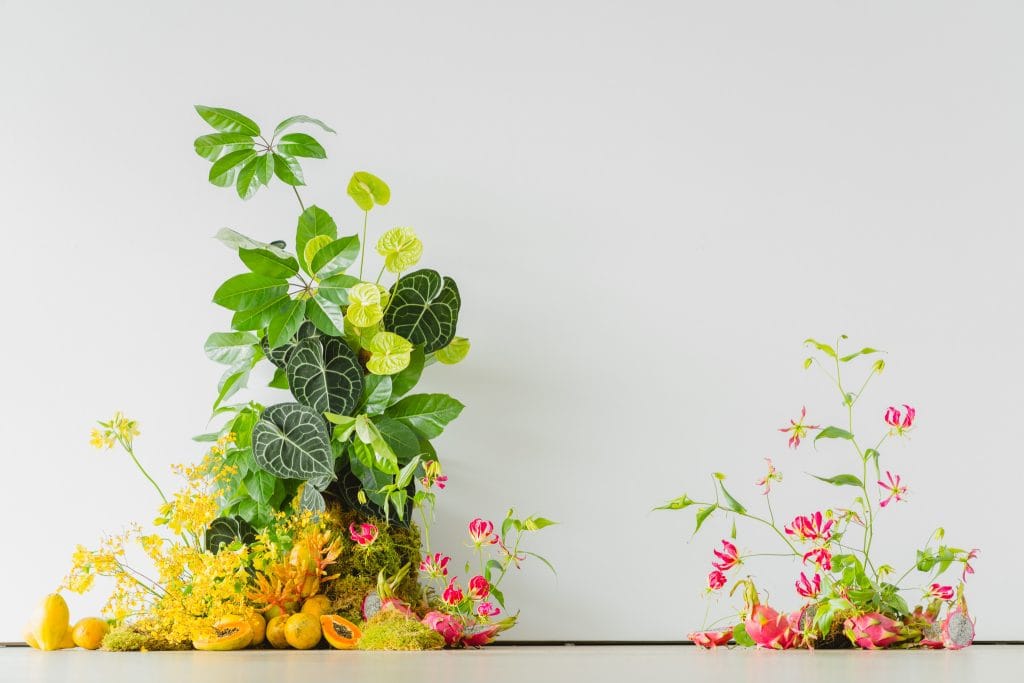
5. Wedding Flowers & Decor
Average budget: $1,500–$4,500+
(With premium florals easily reaching $8k–$15k)
Mid-Range Floral Designers:
Premium Floral Designers:
Décor & Rentals:
Mid-range rental option:
Premium décor company:
- Detailz Couture Event Rentals
- VintageBASH Luxury Rentals & Styling
- Opulence Event Rentals
- Revel House Event Design
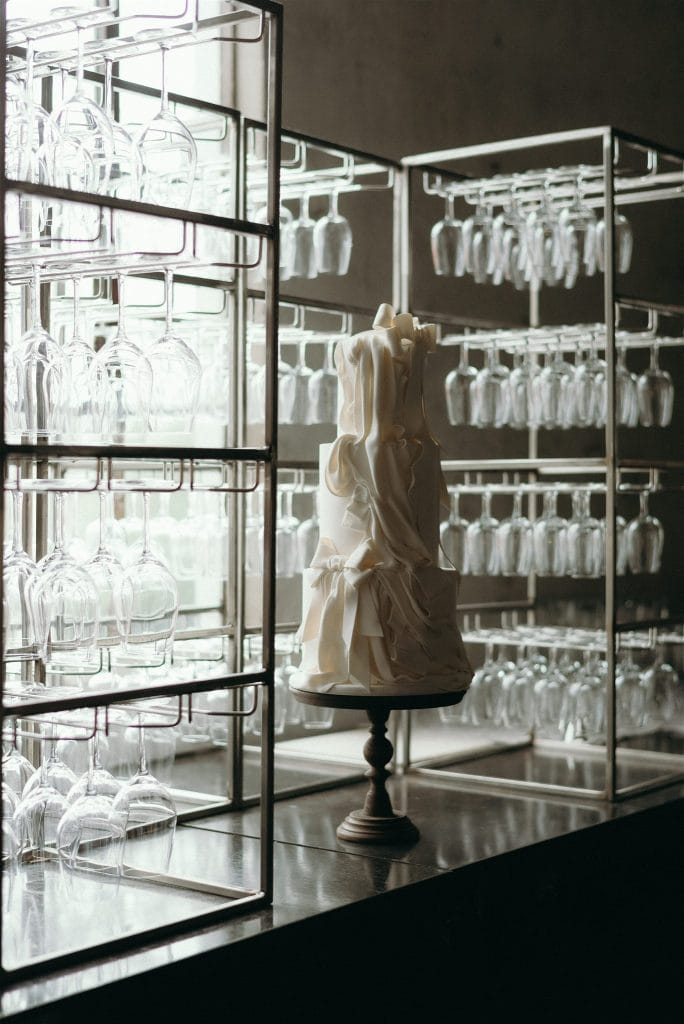
6. Wedding Cake & Desserts
Typical cake spend: $300–$900
Mid-range cakes: $450–$1,000+
(Simple tiers, buttercream designs, moderate customization, 2–3 tiers)
Premium cakes: $1,200–$2,500+
(Fondant work, hand-painted elements, sugar flowers, sculptural designs, 3–5 tiers, specialty flavors)
Mid-Range Bakers:
Mid-range bakers deliver beautiful, delicious cakes with classic buttercream finishes, elegant florals, and moderate customization. Perfect for couples who want something stylish and reliable without diving into the ultra-custom price bracket.
- Dainty Cakes
- Dainty Cakes — https://www.daintycakes.ca
- Cakes by Mickey
- Dufflet Pastries
- The Rolling Pin
Premium Bakers:
Premium bakers create edible art: hand-painted tiers, sugar-flower arrangements, sculpted designs, and multi-tier showpieces that double as décor. Ideal for couples prioritizing a visual “wow” moment and highly customized flavor profiles.
Cultural Dessert Specialists
For couples celebrating cultural traditions (or just loving amazing sweets), Toronto offers exceptional dessert artisans who specialize in heritage-driven flavours and presentation.
Chinese & East Asian Pastry Specialists
- Daan Go Cake Lab (modern Chinese-inspired pastries, character cakes, and dessert tables)
- Bake Code (Taiwanese-inspired pastries and buns; perfect for dessert stations)
- Fuwa Fuwa (Japanese souffle-style cakes — a soft, modern alternative to classic tiers)
South Asian Dessert Specialists
- Mon K Patisserie (South Asian–inspired pastries and fusion sweets)
- Rahier Patisserie (often used in South Asian fusion dessert tables)
- Ambrosia Mithai Shop (traditional mithai for receptions and tea ceremonies)
Non-Cake Dessert Alternatives
For couples who prefer something playful, unexpected, or entirely non-cake, these Toronto vendors offer full dessert experiences perfect for late-night stations or replacing the traditional tiered cake altogether.
- Sweet Sammies Ice Cream Sandwiches
- Eva’s Original Chimneys (Chimney Cake & Soft Serve)
- The Doughnut Lady / Bloomer’s Doughnuts
These alternatives are great for couples who want memorable treats, customizable flavours, and fun interactive stations that guests love.
7. Wedding Entertainment
DJ services: $2,000–$5,000+
Mid-Range DJs:
Reliable, experienced, and perfect for couples who want great energy without going full-scale production.
Premium DJs / Entertainment Firms:
Best for couples wanting high-production value, bilingual MCs, lighting design, custom mixes, staged setups, and multi-artist teams.
Live Music:
- String Ensembles:
- Live wedding bands:
8. Additional Entertainment Options
These experiential add-ons can significantly increase the average wedding cost Toronto couples pay — but they also add a ton of personality, guest engagement, and “wow” moments to your day.
Photo Booths
Fun, simple, and perfect for couples who want prints or digital galleries without heavy branding or production.
- Mid-range:
- Premium:
Live Painters
A breathtaking souvenir that couples keep forever — and an incredible guest experience to watch in real time.
- Stephanie Anne Art
- Evgenia Rees Art (Live Event Painting)
- Melissa Petrie Live Painting
- Ben Rea Live Painting
Caricature Artists
Fun, interactive entertainment that doubles as a guest keepsake.
360 Video Booths
These are wildly popular thanks to TikTok & Reels — dynamic, shareable videos with branded overlays.
Special FX
Perfect for first dances, grand entrances, and dramatic party moments.
9. Wedding Party Costs (Often Overlooked)
Expect to spend $1,000–$3,000 on wedding party costs, depending on how much coverage you choose to provide. Not all couples pay for their wedding party’s expenses — and there’s absolutely no rule saying you have to. But for couples who do want to support their wedding party, the most common items to cover are hair, makeup, and wardrobe (such as dresses, suits, or accessories).
Some couples fully cover these costs as a gesture of appreciation, while others contribute a set amount or only cover certain services (for example, paying for professional makeup while the wedding party handles their own attire). Your approach can be totally flexible — simply choose what feels right for your relationships, your expectations of participation, and your overall budget.
Bridesmaids’ Dresses
- Budget: $120–$200 — Azazie
- Mid-range: $200–$350 — Park & Fifth
Hair & Makeup for Bridal Party
Groomsmen Suits
Wedding Party Dresses (Bridesmaids’ Dresses)
Bridesmaids’ dresses can come from online retailers, which offer broader size ranges and lower price points, or brick-and-mortar boutiques, which provide higher-end fabrics, in-person fittings, and designer collections. Toronto offers a mix of both.
Budget ($120–$200)
Perfect for mixed styles, inclusive sizing, and fast delivery — great for wedding parties shopping from different cities.
Mid-Range ($200–$350)
Toronto boutiques offering modern styles, high-quality fabrics, and in-store try-ons for a more curated experience.
Hair & Makeup for the Wedding Party
Most couples provide HMU services for the wedding party as a thank-you and to ensure a cohesive look. These Toronto teams offer on-site services, trials, and group packages.
Groomsmen Suits
Groomsmen attire can be purchased (great for keeping the look consistent) or rented (budget-friendly for formalwear). Toronto has strong options for both.
Purchase Options
Rental Options

10. Wedding Planning & Coordination
Toronto weddings are a beautiful whirlwind of logistics, strict venue minimums, fierce vendor competition, and timelines that move at lightning speed — which is exactly why having a professional planner is one of the smartest investments a couple can make. Thistle & Thorne, led by senior planner Jodie, brings deep, insider-level expertise to navigating Toronto’s venues, budgets, vendor landscape, and production puzzle pieces.
Jodie’s approach is part strategy, part artistry: she builds realistic budgets (the kind that actually reflect Toronto pricing), matches you with vendors who align with your vision and your wallet, and heads off the hidden fees and avoidable slip-ups that make Toronto weddings so notoriously expensive. Whether you need full-service planning or month-of coordination, Thistle & Thorne keeps your wedding organized, efficient, and flawlessly executed — so you get to stay immersed in the joy of the day, not the juggling act behind it.
Work with our Toronto Wedding Planners
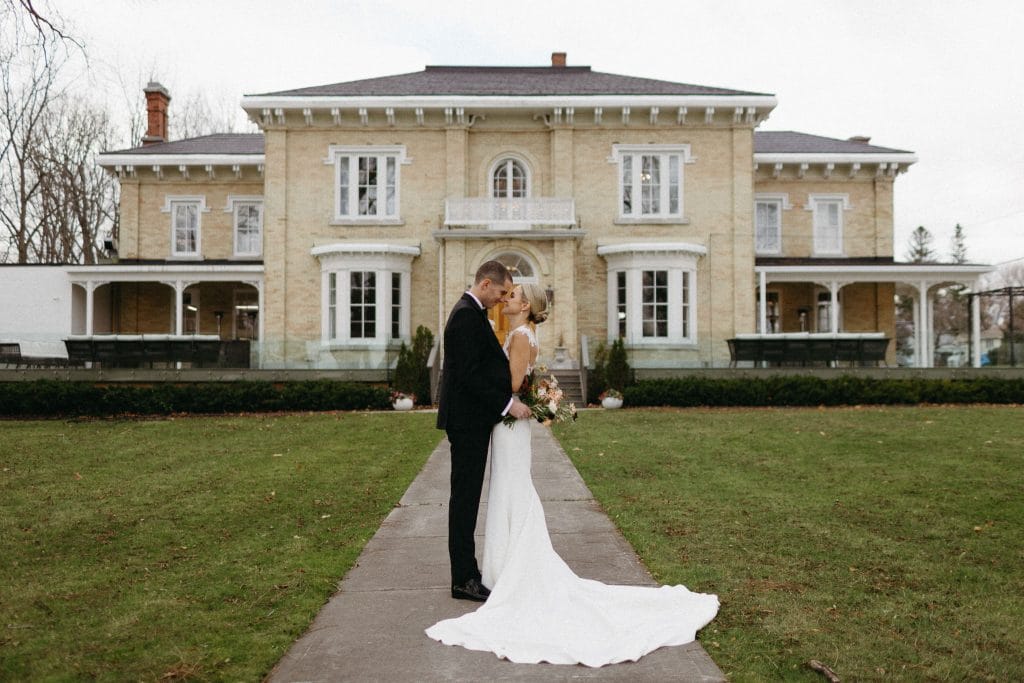
Average Cost of a Wedding in Ontario vs Toronto
f you’ve ever wondered why Toronto weddings seem to happen in a different financial universe, you’re not imagining it. Ontario weddings are lovely — Toronto weddings are lovely with surge pricing. The city’s venues, labour market, and vendor demand all play by big-city rules, which means the price tag climbs faster than a late-night Uber.
Here’s how the numbers really shake out:
Ontario average: $35,000–$50,000
Toronto average: $50,000–$120,000+
(and yes, luxury weddings commonly exceed this — Toronto does not play.)
Toronto Weddings are 20–35% more expensive than Ontario based weddings because of:
Labour & Staffing
Toronto vendors operate with higher hourly wages, union environments in some venues, and big-city cost of living — and it all trickles into your quote.
Venue Minimums
Many downtown and luxury venues come with $15,000–$50,000+ food & beverage minimums before tax and service — even for smaller guest counts.
Premium Catering Expectations
Toronto couples (and venues) tend to favour elevated menus, multi-course dinners, late-night food stations, and chef-driven concepts. The city loves good food, and it shows up on your invoice.
Limited Vendor Availability
Top-rated vendors book out 12–18+ months in advance, driving up pricing for remaining dates and premium dates (hello, Saturdays).
High Urban Delivery Costs
Traffic, parking, load-in fees, downtown access windows, elevator timing, and venue restrictions all add time (and therefore money) for florists, décor teams, rentals, and AV crews.
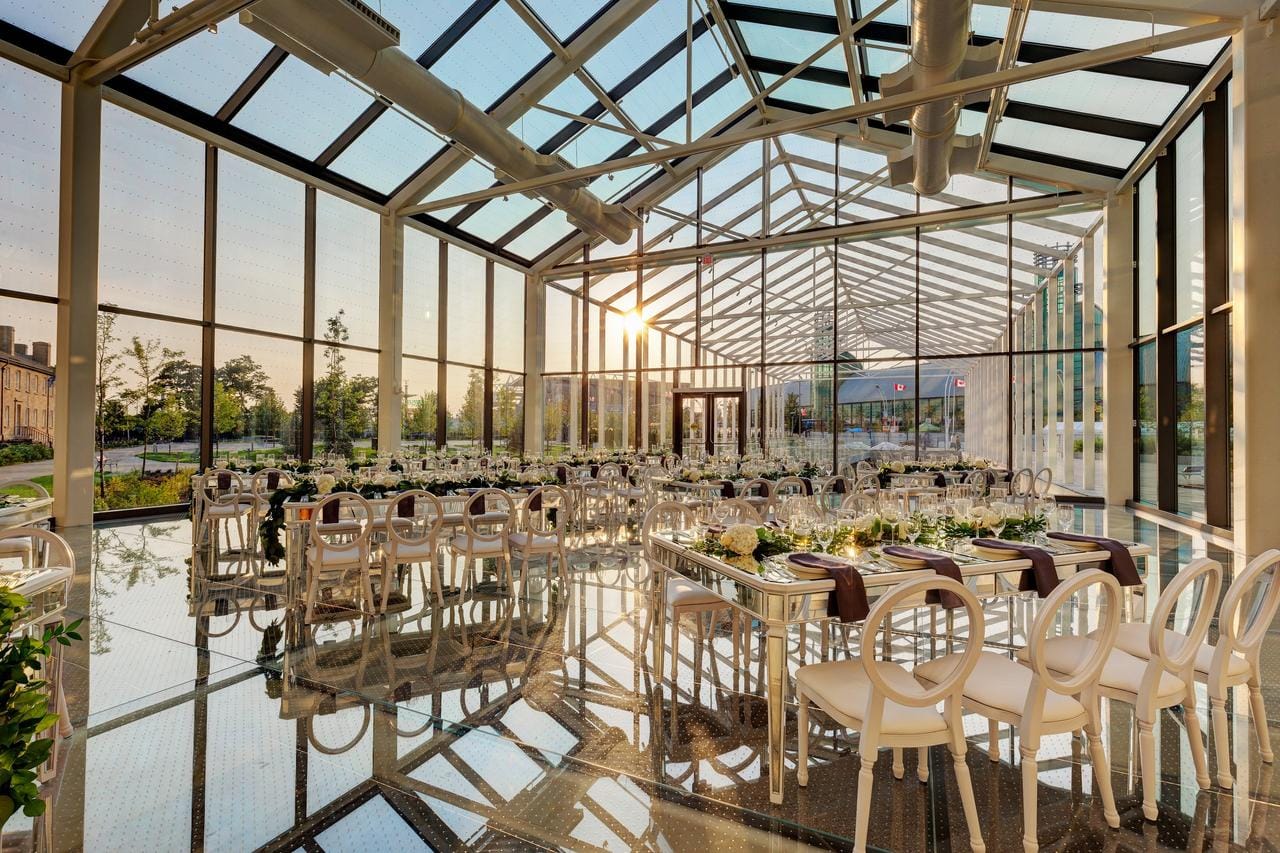
How to Do a Toronto Wedding on a Budget (and Still Make It Beautiful)
Yes, Toronto is one of the most expensive places in Canada to get married — the city practically charges you for breathing near a historic building — but a meaningful, stylish celebration is absolutely possible on a lower budget. The trick is knowing where to be strategic and where to let go. Doing a Toronto wedding on a budget isn’t about sacrificing beauty or vibes; it’s about making smart choices that actually move the financial needle while keeping the guest experience (and your sanity) intact.
Below are the highest-impact decisions you can make to bring the costs down without making your wedding feel budget-conscious.
Reduce Guest Count
Your guest list is the Beyoncé of your budget: whatever it wants, it gets. Every additional person affects catering, bar service, rentals, florals, stationery, transportation — basically everything except maybe your officiant.
Cutting even 20–30 guests can free up several thousand dollars, which you can redirect into higher-impact design moments, upgraded menu items, or a dream vendor you thought was out of reach. Smaller headcount = more intentional choices and a more elevated experience for everyone who is there.
Choose Friday/Sunday or Winter Dates
Want instant savings without changing anything about your vision? Change your date.
Toronto is a Saturday-wedding city, which means venues and vendors charge Saturday-wedding prices. But:
Fridays and Sundays often come with lower food & beverage minimums, smaller rental fees, and more flexibility from vendors.
Winter weddings (November–April) can shave 10–30% off venue and vendor pricing — and you get that moody, candlelit, snowscape magic for free.
You’re not compromising. You’re just sidestepping peak pricing like the spreadsheet genius you are.
Limit Open Bar Hours
A full open bar is the financial equivalent of handing your budget a lit match. Alcohol is one of the fastest-moving line items, and Toronto bartending rates don’t play around. Instead of letting the bar run wild all night, consider a 2–3 hour open bar window, offering beer + wine + a signature cocktail, or even closing the bar during dinner (guests barely notice — they’re busy eating, chatting, and being gorgeous).
These tweaks keep the vibe high and the costs predictable… and no one wakes up the next morning saying, “Ugh, that wedding was fun, but I really wish I had access to unlimited vodka sodas for six consecutive hours.”
Focus on Mid-Range Vendors for High-Impact Categories
Here’s the truth: you do not need a luxury vendor in every single category to have a luxury-feeling wedding. Toronto has fantastic mid-range creatives who produce beautiful work without the premium price tag.
The trick is knowing where to invest and where to scale back.
Splurge on: photography, planning, catering — the categories that define your day and your memories.
Save on: rentals, florals, entertainment — go mid-range, reputable, and design-forward.
This approach creates a beautifully-balanced budget where everything looks elevated, but nothing breaks the bank.
Repurpose Ceremony Florals
Double-duty florals are a budget superhero. Anything used for your ceremony — aisle arrangements, altar florals, floral pillars, ground installations — can (and should!) be repurposed for the reception.
Move them to your head table, bar area, entrance display, or photo backdrop to stretch your floral investment and maximize visual impact. No one will think, “Hey, didn’t that arrangement walk down the aisle earlier?” They’ll just think your florist is a genius… which, to be fair, they probably are.
Use Planners to Avoid Costly Mistakes
Wedding planners aren’t just logistics pros — they’re budget bodyguards. A planner’s knowledge of venue minimums, vendor pricing, hidden fees, and contract fine print can save you thousands by preventing the very mistakes most couples don’t even realize they’re making until it’s too late.
Especially in a high-cost market like Toronto, having a planner means you’re making informed decisions instead of expensive ones. They help you avoid unnecessary add-ons, negotiate smarter, and allocate your budget where it actually matters.
In short: a good planner pays for themselves long before the big day arrives.
Tips include:
- Reduce guest count
- Choose Friday/Sunday or winter dates
- Limit open bar hours
- Focus on mid-range vendors for high-impact categories
- Repurpose ceremony florals
- Use planners to avoid costly mistakes
Final Thoughts
Toronto weddings are extraordinary — but they absolutely demand realistic budgeting. Knowing the average wedding cost Toronto couples are facing in 2026 gives you the power to make confident, informed decisions instead of getting blindsided by sticker shock.
And now that you’ve got this pricing guide plus real vendor examples at every budget level, you’re officially armed with the most complete, no-nonsense resource out there for planning a Toronto wedding. Go forth and plan like the absolute icon you are.
Answer: While there is an upfront fee, using a wedding planner can be cheaper in the long run. Planners save you money by providing access to exclusive vendor discounts, preventing costly contractual errors, and ensuring your budget is strictly managed to avoid overspending on unnecessary items.
Answer: In 2026, $5,000 is typically only enough for a micro-wedding, an elopement, or a city hall ceremony in Ontario. For a traditional wedding with a guest list, this amount generally covers only a few vendor deposits rather than a full event.
Answer: Destination wedding planners typically charge between 10% and 20% of the total wedding budget, or a flat fee ranging from $5,000 to $15,000+, depending on the complexity of the travel logistics and the level of on-site coordination required.
Answer: For a destination wedding in 2026, couples should budget between $25,000 and $50,000 on average. This varies greatly depending on the location, guest count, and whether you are covering travel costs for your guests or just the event itself.
Written by: Jodie Garneau
Picture this: you and your person, hand in hand, surrounded by wild mountain peaks or standing beside a turquoise lake that looks like it was painted just for the two of you. Canada is overflowing with jaw-dropping landscapes and hidden-gem venues that turn weddings into something unforgettable.
Whether you’re dreaming of a cozy elopement or a full-on celebration with your favourite humans, there’s magic waiting here. From coast to coast, Canada’s got it all — moody forests, sun-drenched beaches, rustic lodges, and sleek city rooftops. And the best part? You don’t have to settle for a cookie-cutter resort package when you can create something that feels wildly, unabashedly you.
Read on to discover your options for a destination wedding in Canada.
Need help planning? Contact Thistle & Thorne Weddings for full service wedding planning and adventure elopements!
Table of Contents
- Why Choose a Destination Wedding in Canada?
- Top Canadian Destination Wedding Locations
- Our Choices: Top Unique Venues For A Wedding
- 1. Mountaintop Ceremony in the Rockies
- 2. Lakeside Celebration in Muskoka
- 3. Vineyard Wedding in the Okanagan
- 4. Historic Chateau Wedding in Quebec
- 5. Coastal Elopement in Tofino
- 6. Barn Wedding in the Prairies
- 7. Island Escape in the Maritimes
- 8. Northern Lights Wedding in the Yukon
- 9. Garden Wedding in Victoria
- 10. Urban Rooftop Wedding in Toronto
- 11. Paradise Grapevine
- Planning Your Canadian Destination Wedding: Step-by-Step
- What’s Included in Destination Wedding Packages?
- Budgeting Your Canadian Destination Wedding
- Legal Requirements for Getting Married in Canada
- Frequently Asked Questions
- How much does a destination wedding in Canada cost?
- What are the best places for a destination wedding in Canada?
- What are the legal requirements for getting married in Canada?
- Can foreigners get married in Canada?
- Are destination weddings cheaper than local weddings in Canada?
- What is included in a destination wedding package?
- Do I need a wedding planner for a destination wedding in Canada?
- What is the best time of year for a wedding in Canada?
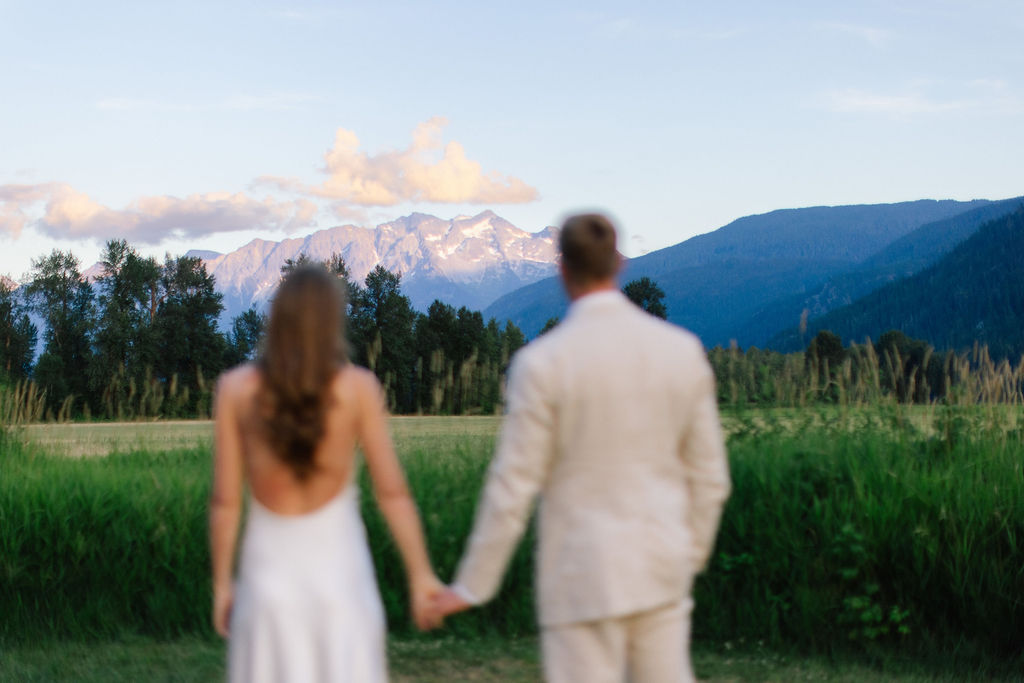
Why Choose a Destination Wedding in Canada?
Canada is a dream destination for couples who want their wedding to feel like an adventure. The country’s natural beauty is unmatched, with four distinct seasons that each bring their own kind of magic. Summer offers wildflower meadows and endless daylight, fall paints the landscape in fiery reds and golds, winter transforms everything into a snowy wonderland, and spring bursts to life with colour, vibrance, and that unmistakable energy of fresh beginnings.
Beyond the scenery, Canada is incredibly welcoming and inclusive. This country celebrates love in all its forms, making it a perfect choice for LGBTQ+ couples and anyone who wants a wedding that honours their unique story. Plus, with major cities connected by easy flights and jaw-dropping road trip routes, your guests will actually enjoy getting to your celebration.
Accessibility for International Guests
One of the biggest perks of choosing Canada for your destination wedding is how accessible it is. Major cities like Vancouver, Toronto, and Montreal have international airports with direct flights from around the world. For couples with guests coming from the United States, crossing the border is straightforward and familiar.
The country’s infrastructure makes travel easy, whether your guests are flying in or driving. Many wedding destinations are within a few hours of major airports, and the journey itself often becomes part of the adventure. Imagine your guests winding their way through the Rockies, past emerald lakes and snow-dusted peaks, or cruising along the coast with ocean mist curling through evergreens and sunlight dancing on the water—the journey itself becomes part of the celebration, setting the tone long before they even arrive.
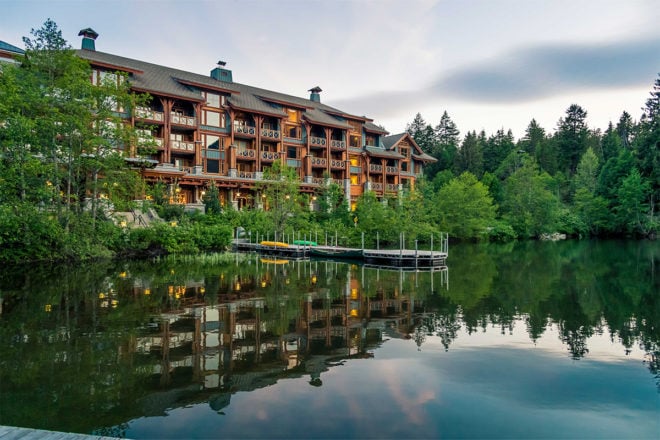
Top Canadian Destination Wedding Locations
Mountain Magic in the Rockies
The Canadian Rockies are legendary for a reason. Banff and Jasper offer some of the most breathtaking mountain scenery on the planet, with turquoise lakes, dramatic peaks, and views that practically demand a moment of silence. It’s the perfect setting for couples chasing an epic, adventure-filled “I do.” But don’t sleep on the smaller gems nearby- places like Golden and Nordegg serve up the same jaw-dropping backdrops, just with fewer tourists and a little more breathing room.
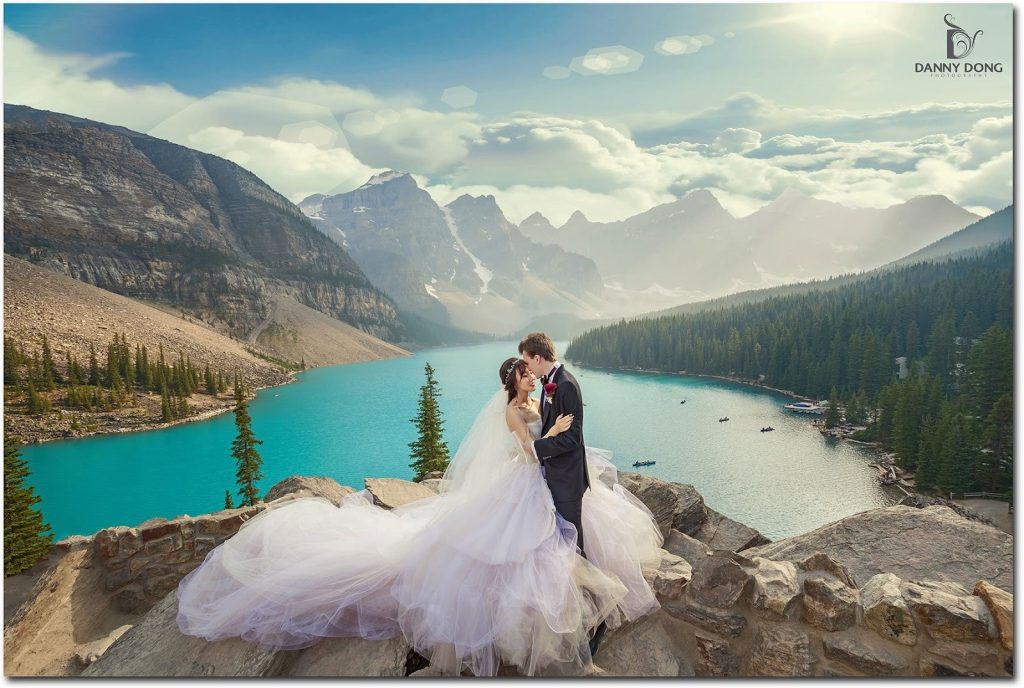
If you’re planning a ceremony in Banff National Park, you’ll need to secure a wedding permit well in advance. Parks Canada manages these iconic spots to protect their natural beauty, so planning ahead is key. The payoff? Saying “I do” in front of Lake Louise or Moraine Lake with the Rockies standing witness. Pro tip: permits are surprisingly affordable—so we always recommend booking more than one time slot to take the pressure off and give yourselves some breathing room to fully soak in the magic.
Coastal Charm on the West Coast
British Columbia’s coastline offers a completely different vibe—think ocean breezes, towering cedars, and that laid-back West Coast energy. Vancouver and Victoria are sophisticated cities with stunning natural surroundings, while places like Tofino and the Gulf Islands offer remote, intimate settings for couples who want to escape.
It’s no exaggeration to say that nearly 40% of the weddings we’ve planned over the past five years have unfolded somewhere along the Sea to Sky corridor — and honestly, are we surprised? Not even a little. With those sweeping mountain views, the whisper of cedar trees, and that slow-living, adventure-soaked energy — this stretch of BC just gets it. The Sea to Sky corridor between Vancouver and Whistler is packed with incredible wedding venues. You can choose from oceanfront resorts, forest clearings, or mountain lodges, all within a couple hours of the city. Working with a Vancouver wedding planner who knows the region can help you discover hidden gems that aren’t on every tourist’s radar.
From Sunwolf to Greenwater Resort, Blue Vault, and beyond, each venue wraps you up in its own brand of wilderness magic. There’s something about the way these spaces hold both the grandeur and the groundedness of the coast that makes every wedding feel deeply alive.
Sure, these spots can come with their fair share of logistical puzzles (when the “venue” is basically Mother Nature in her full glory, it’s part of the deal). But every single time, those mountain views and the way the air hums with stillness and possibility — it’s worth every bit of planning effort.
The couples who are drawn here? They’re usually adventurous at heart, the kind who want their wedding to feel like the place — to breathe it in, not just look at it.
And truthfully, some of our all-time favourite weddings have unfolded right here in this little slice of BC heaven.
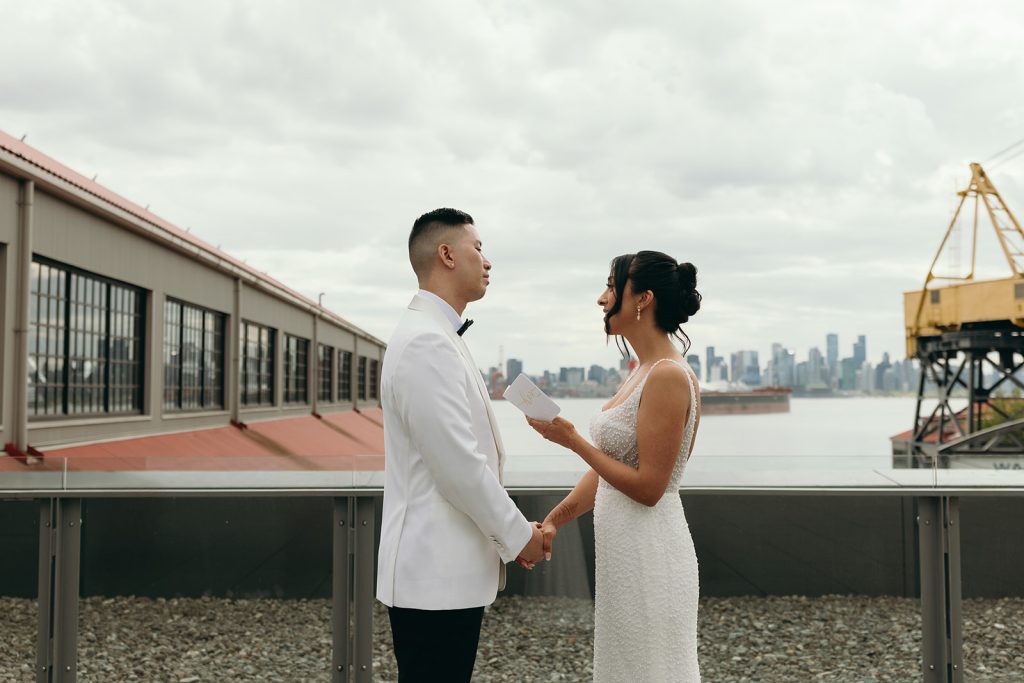
Cityscape: Montreal & Toronto Wedding Venues
Canada’s cities bring their own kind of magic to destination weddings. Toronto offers sleek rooftop venues with skyline views, while Montreal charms couples with its European flair, historic architecture, and world-class culinary scene that makes every meal a memorable part of the celebration. These urban destinations are perfect for couples who want sophistication and convenience without sacrificing style.
Wedding venues in Toronto range from converted warehouses in the Distillery District to elegant ballrooms in historic hotels like the Ritz Carlton. The city’s multicultural vibe means you’ll find vendors who can bring any cultural tradition to life. For couples planning a Montreal destination wedding, the city’s French-inspired cuisine and architecture create an atmosphere that feels like you’ve traveled across the ocean.
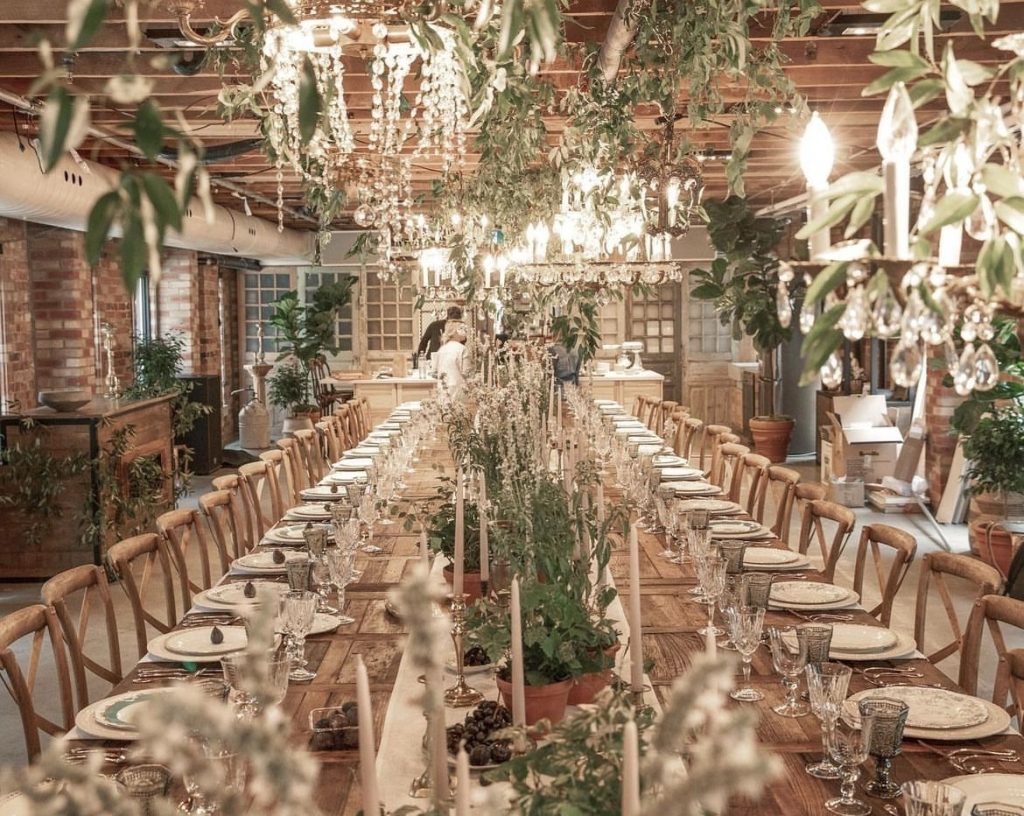
The Loft on King Street
This is a stylish and flexible historic loft just off King Street in downtown Toronto. It offers ~1,850 sq ft of event space, can host up to ~200 guests (cocktail) or ~120 seated, and allows ceremony + reception in the same footprint. This guest list range is one of our absolute favourites—large enough to feel like a proper party, but small enough that you can actually connect and make memories with each of your guests.
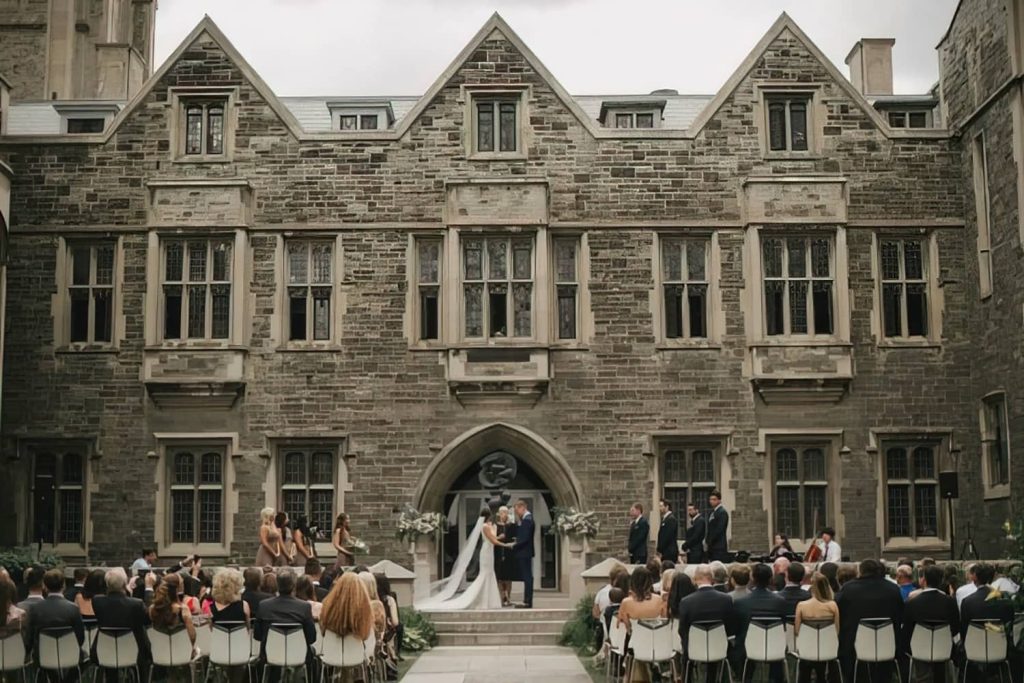
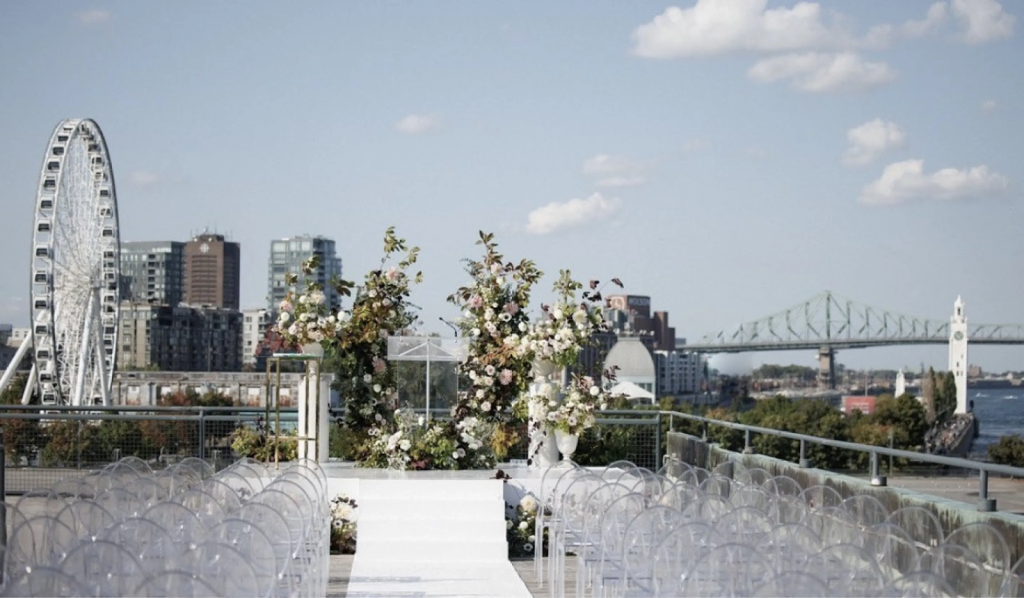
Le Belvédère du Vieux-Port
Nestled right in Montréal’s historic waterfront, Le Belvédère du Vieux-Port is all about wow—panoramic river views, the city skyline, and a vibe that’s equal parts modern chic and old-port charm. Its open-plan layout and incredible architecture make it feel effortlessly special, like it was made for celebrations that linger in memory (not just a generic “banquet room” moment). This spot delivers elegance, light, and space in spades—plus, that view? It’s basically a guest magnet.
Our Choices: Top Unique Venues For A Wedding
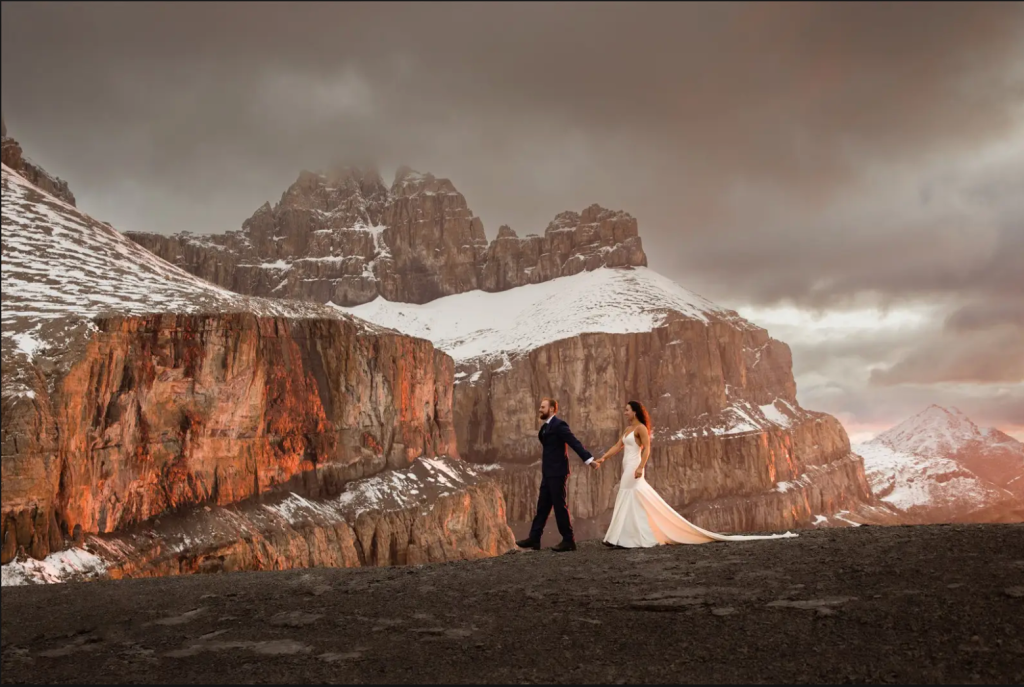
1. Mountaintop Ceremony in the Rockies
There’s nothing quite like saying “I do” at the top of a mountain. Helicopter rides or gondola lifts can whisk you and your guests up to alpine meadows with views that go on forever. We especially love flying with Sky Helicopters, Blackcomb Helicopters, Harbour Air, and Black Tusk—it’s the easiest way to turn a remote mountaintop into a stress-free, unforgettable ceremony. This setup is perfect for intimate ceremonies, with the celebration flowing back down at your cozy mountain lodge.
After over 50 helicopter elopements, we know firsthand that the key to a mountaintop wedding isn’t just planning—it’s experiencing it. Limited time on the mountain means you need photographers who work fast, officiants who keep the energy alive, and florists who choose blooms that can handle wind, sub-zero temps, and altitude. Weather can change in a heartbeat, so having hands-on vendors who’ve been there, felt it, and can pivot instantly is everything. That way, you get to focus on your vows while we handle the mountain magic. Professional Wedding Planning Services can handle all the details while you focus on the magic of the moment.
2. Lakeside Celebration in Muskoka
Ontario’s Muskoka region is known as “cottage country” for good reason. The area is dotted with pristine lakes, private estates, and luxury resorts that feel worlds away from city life. Summer weddings here mean warm evenings by the water, bonfires, and that classic Canadian cottage vibe.
Many Muskoka venues offer all-inclusive packages that take the stress out of planning. You can find everything from rustic lodges to upscale resorts, all with waterfront access. This destination is especially popular with couples from Toronto who want a nearby escape that still feels special.
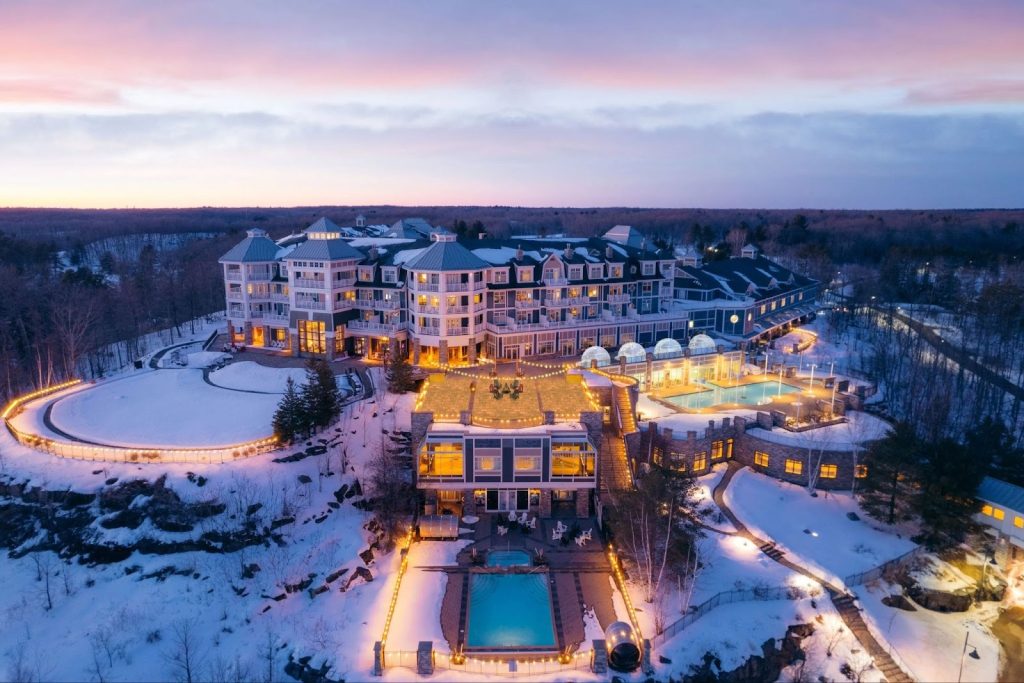
Check out The Rosseau, JW Marriott Muskoka Resort & Spa!
3. Vineyard Wedding in the Okanagan
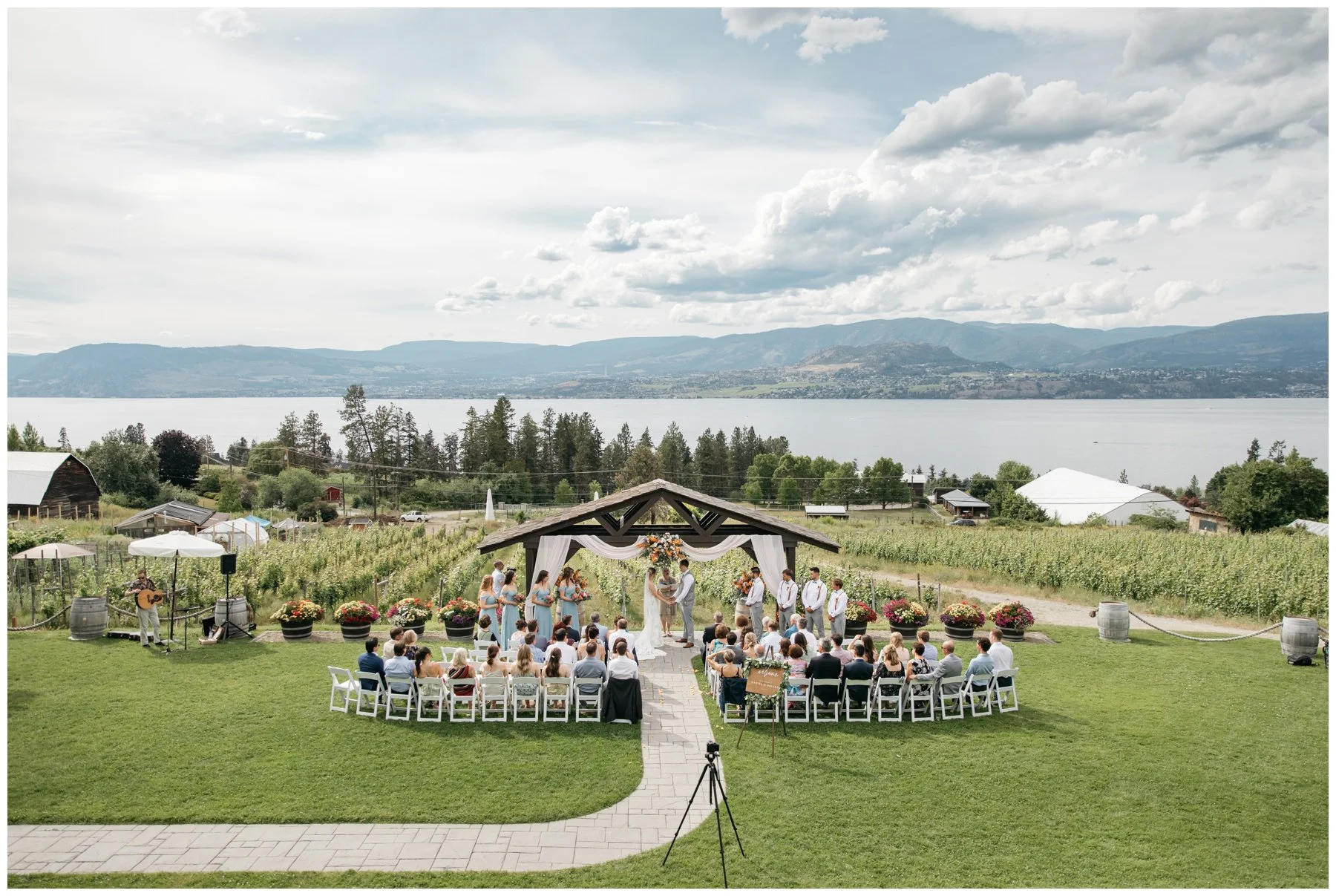
British Columbia’s Okanagan Valley is wine country (often referred to as Canada’s California), and it’s absolutely stunning. Rolling vineyards, warm summer weather, and world-class wineries create the perfect setting for a romantic celebration. Many wineries have event spaces designed specifically for weddings, with views over the vines and mountains beyond.
The Okanagan’s climate means you can count on sunshine for summer weddings. Fall brings harvest season, when the vineyards turn golden and the wine flows freely. This destination combines natural beauty with sophisticated amenities, making it ideal for couples who want elegance with a relaxed vibe.
Check out Summerhill Pyramid Winery
4. Historic Chateau Wedding in Quebec
Quebec’s historic chateaus and manor houses have a way of whisking you straight into another era. With old-world elegance paired with modern comforts, these venues are perfect for couples who love romance, history, and a bit of wanderlust—without leaving North America. Thanks to the province’s French heritage, you get incredible food, stunning architecture, and a European atmosphere that’s hard to beat.
Quebec City’s old town is especially enchanting: cobblestone streets, centuries-old buildings, and in winter, snow-dusted rooftops and cozy fireplaces that feel straight out of a fairy tale. From personal experience, walking through Quebec City gives serious Edinburgh vibes—but in the absolute best way. It’s a destination that turns your wedding into an experience, not just a day.
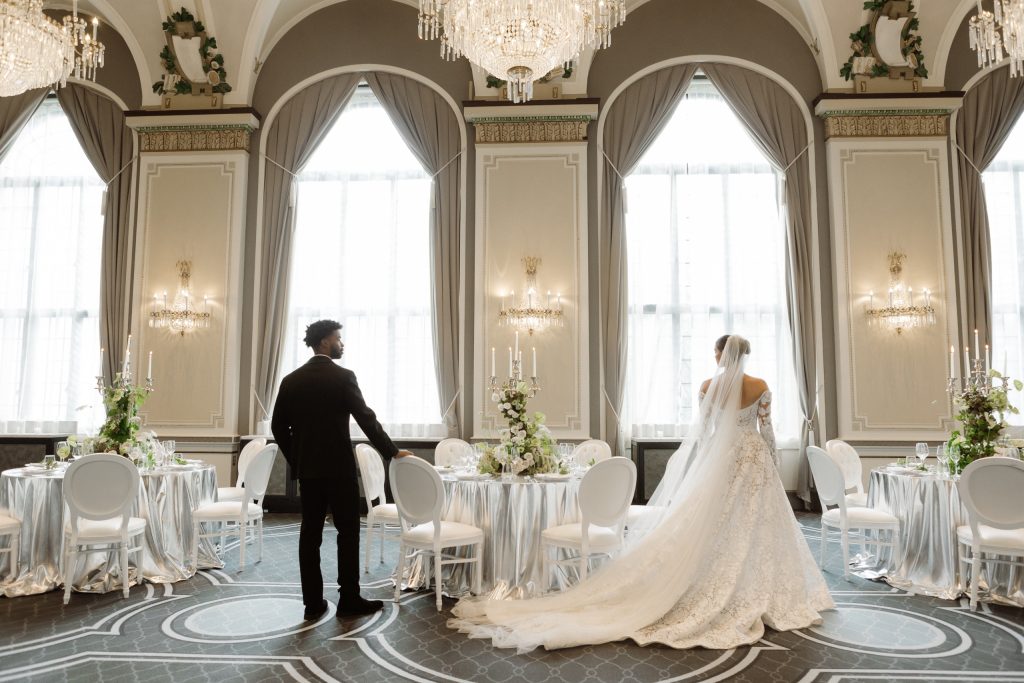
Check out the Fairmont Le Château Frontenac!
5. Coastal Elopement in Tofino
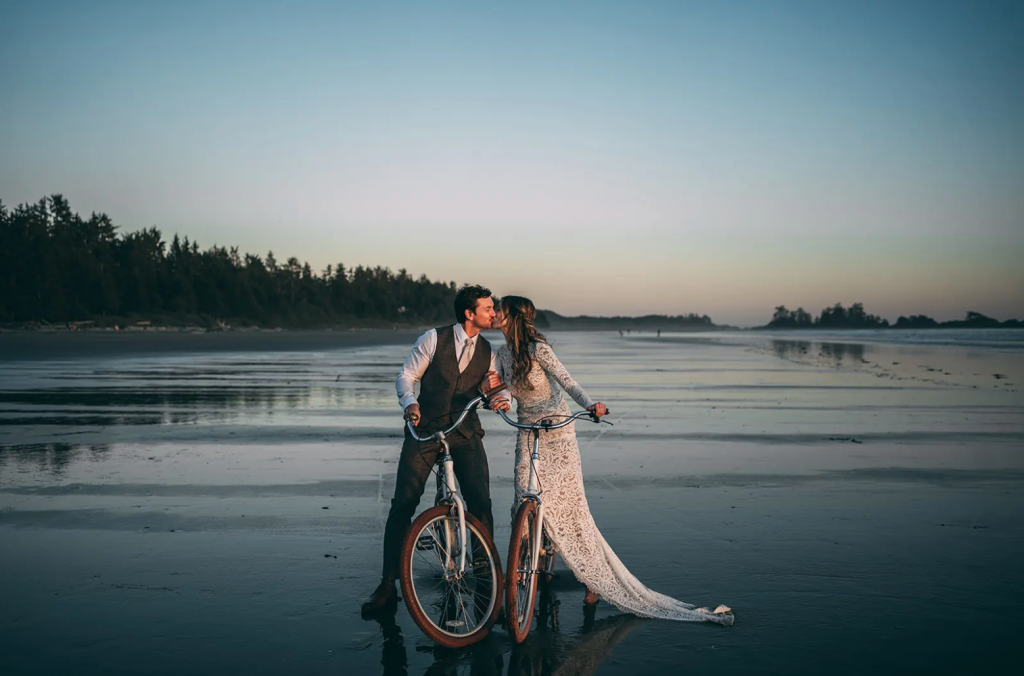
For couples craving something truly intimate, Tofino on Vancouver Island delivers wild beauty and total seclusion. This iconic surf town is famous for Tacofino, legendary waves, and a surf culture that’s all about going with the flow. Dramatic beaches, ancient rainforests, and a slow-paced, easygoing way of life make it the perfect backdrop for a wedding that’s relaxed, adventurous, and unapologetically Tofino.
But Tofino also shines for couples seeking a more polished, all-inclusive experience. The town offers incredibly well-curated venues with exceptional culinary experiences and cozy lodges for small celebrations afterward. Whether you want to lean fully into the raw, natural surroundings or mix in thoughtful, elevated details, Tofino has the flexibility to make your wedding uniquely yours.
6. Barn Wedding in the Prairies
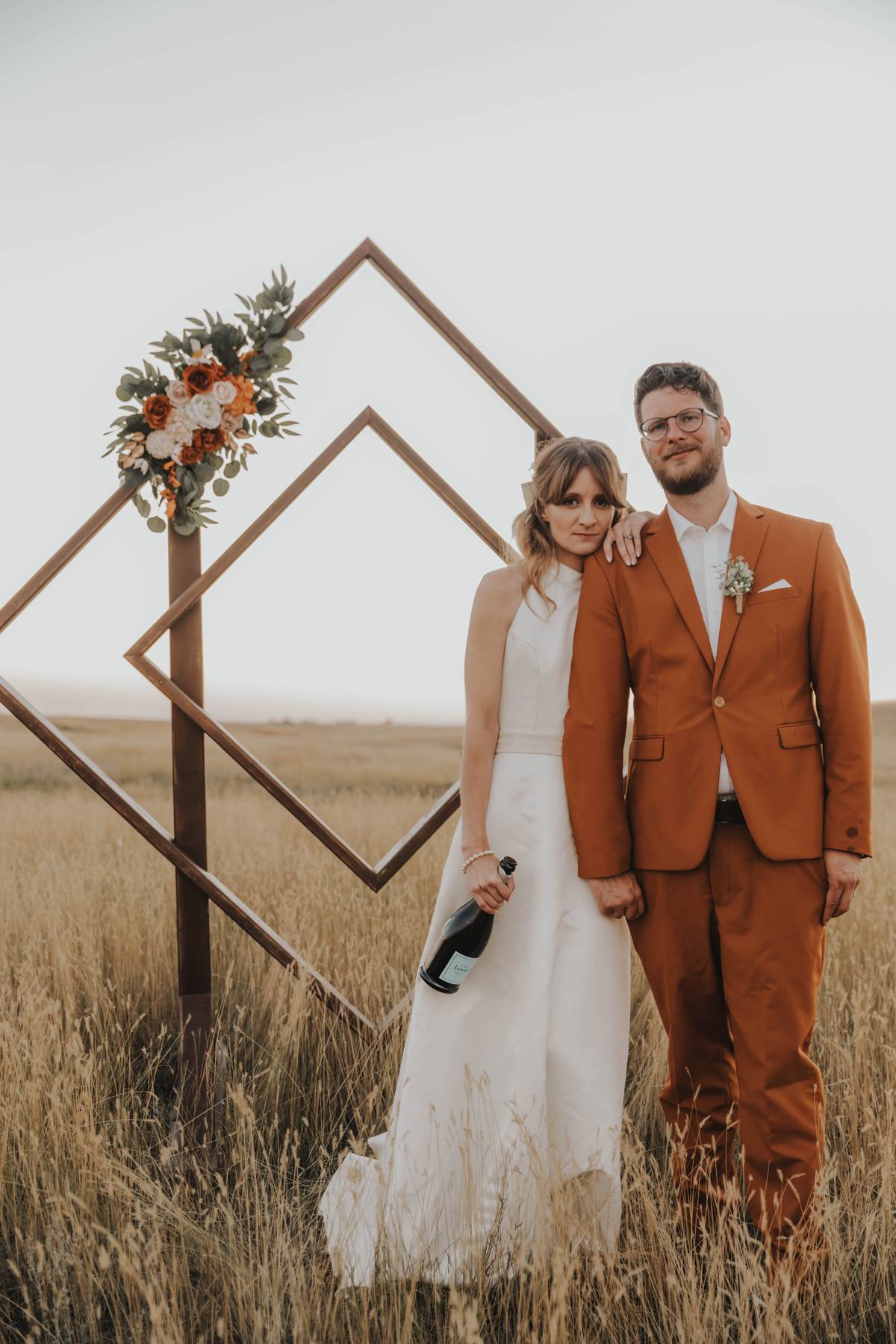
The Canadian prairies might not be the first place that comes to mind for a destination wedding, but they offer wide-open skies, rustic charm, and a kind of quiet magic all their own. Restored barns and farm venues across Alberta, Saskatchewan, and Manitoba provide authentic country settings full of character—and plenty of space for outdoor ceremonies and photos.
As a BC girl, I’ll admit I’ve always struggled with the plains, but man oh man, the way those endless fields of tall grass shine like gold and sway in the wind absolutely caught my heart. The prairie landscape has its own stark, unforgettable beauty—especially at sunset, when the sky lights up in oranges and pinks. This is perfect for couples craving a relaxed, down-to-earth celebration that feels genuine, warm, and unpretentious.
7. Island Escape in the Maritimes
The Maritime provinces—Nova Scotia, New Brunswick, and Prince Edward Island—offer coastal beauty with a friendly, welcoming culture. Perfect for couples who want a wedding that feels like a homecoming, even if you’ve never been there before. PEI’s red sand beaches are iconic, Nova Scotia’s lighthouse-dotted coastline offers endless photo ops, and the region is known for fresh seafood, Celtic music, and that famous East Coast hospitality. For a bit of fun, your guests can even join in the Screech-In, where “come from always” are officially initiated as honorary Newfoundlanders—because nothing says you’ve truly experienced the Maritimes like embracing the local traditions.
Check out Oceanstone Seaside Resort!
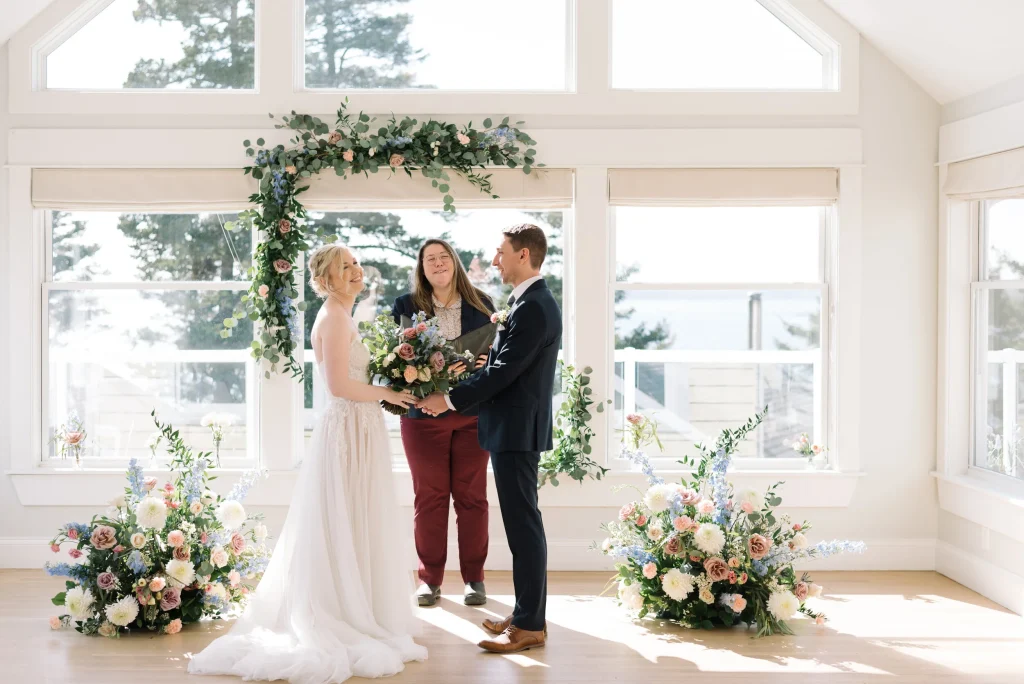
8. Northern Lights Wedding in the Yukon
For truly adventurous couples, a winter wedding in the Yukon offers the chance to see the Northern Lights on your wedding night. This is as unique as destination weddings get—think dog sledding, ice hotels, and wilderness that feels untouched.
The Yukon’s winter darkness means the aurora borealis lights up the sky on clear nights—a natural light show no decorator could ever compete with. This is a destination that calls for careful planning and guests who are ready for adventure, but the payoff is a wedding story that’s truly one-of-a-kind. Honestly, this has been on our bucket list for years, and we would literally drop everything for a couple ready to bundle up and make this experience happen. There’s nothing quite like celebrating love under the northern lights.
Check out Northern Lights Yukon Spa!

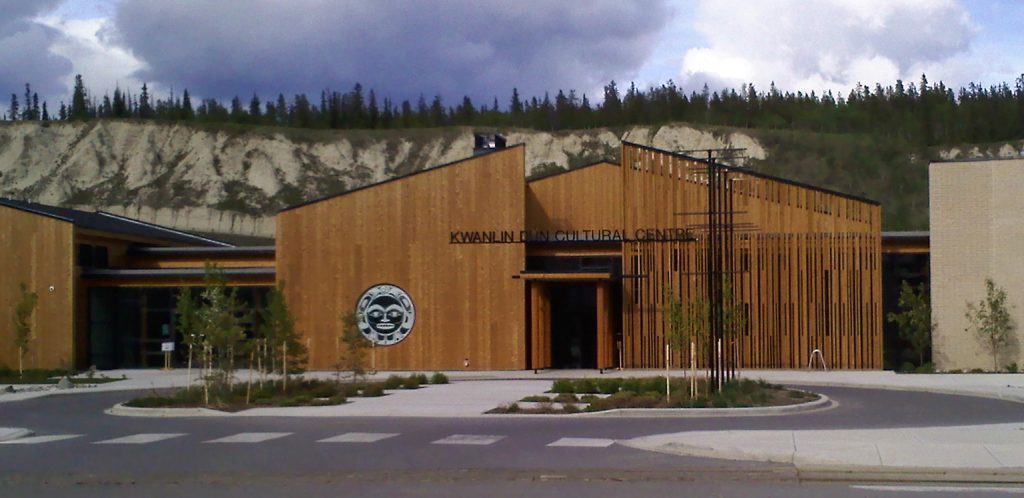
And check out the Kwanlin Dun Cultural Centre!
9. Garden Wedding in Victoria
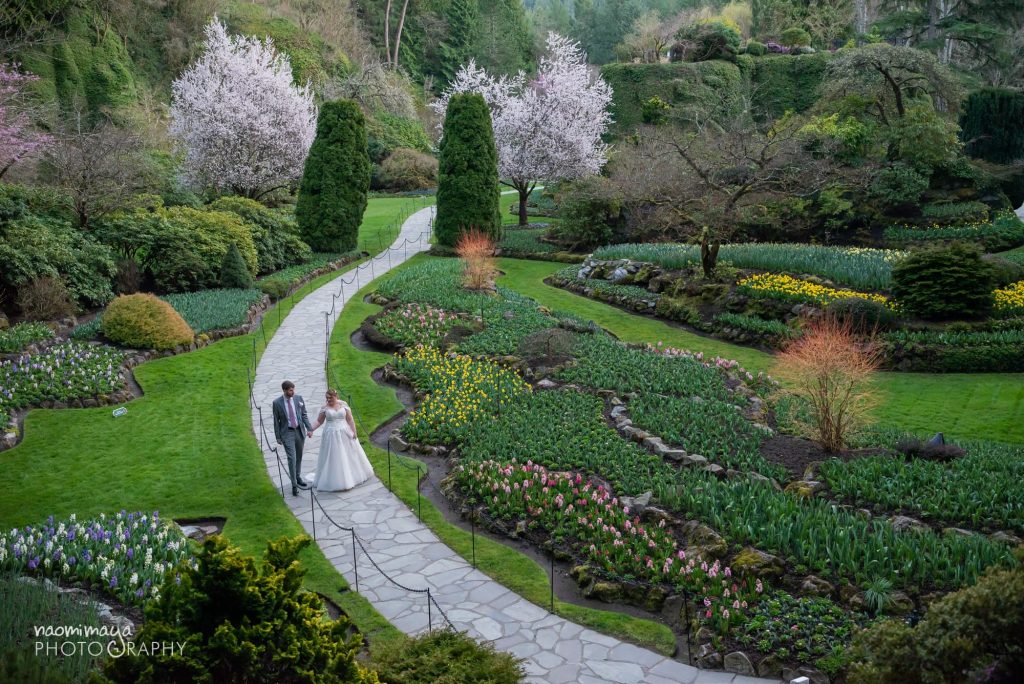
Victoria, BC—known as the “Garden City”—is a dream for couples who love classic elegance set in nature. We recently visited Butchart Gardens while working a wedding in Saanichton and spent over four hours wandering the grounds, enthralled, using Google Lens to identify plants I need to plant next season, and genuinely impressed with the 50+ team of gardeners who keep this space thriving year-round. Touring the gardens and the event spaces with event specialist Alison had me daydreaming nonstop about celebrations surrounded by tropicals, blooms, and impeccable design.
Victoria’s British heritage shines through in its afternoon tea culture and historic hotels, offering sophistication with a relaxed island vibe. Spring weddings here are particularly magical, with cherry blossoms and tulips in full bloom, making it the perfect destination for couples who want refinement without stuffiness—and a celebration that feels timeless yet effortlessly alive.
10. Urban Rooftop Wedding in Toronto
Toronto’s skyline provides a dramatic backdrop for modern couples who want an urban destination wedding. Rooftop venues across the city offer views of the CN Tower, Lake Ontario, and the downtown core. These spaces work beautifully for evening celebrations with city lights twinkling below.
Toronto’s diversity means you can find vendors who specialize in any cultural tradition or wedding style. The city’s wedding venues range from industrial lofts to sleek hotel ballrooms, all with that cosmopolitan energy. This option is perfect for couples who want city sophistication with Canadian hospitality.
Check out the Broadview Hotel!
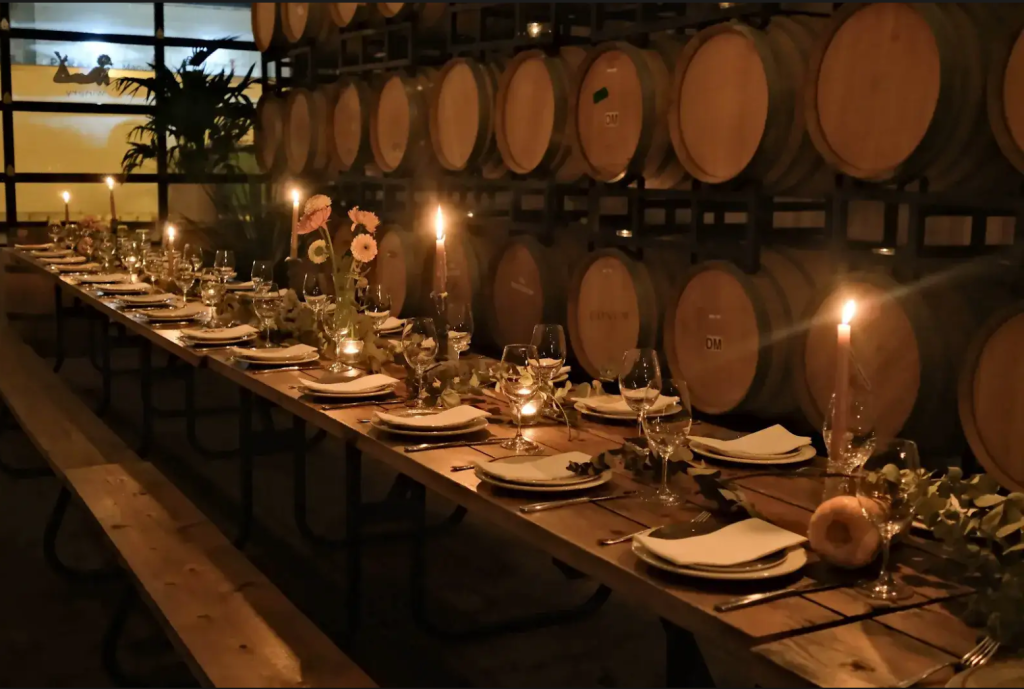
11. Paradise Grapevine
For couples craving a wedding that’s relaxed, flexible, and all about good energy, Paradise Grapevine in Toronto is a hidden gem waiting to be discovered. The laid-back atmosphere flows from the staff and the incredible owner, creating a space where you can celebrate your way—whether that’s a casual gathering, a wine-filled tasting, or something completely unique. They’re still new to the world of weddings, which makes them an untapped resource and a truly distinctive backdrop for your celebration. We have personal ties here, and can honestly say it’s a place that feels effortlessly special, where every wedding just fits the couple.
Planning Your Canadian Destination Wedding: Step-by-Step
Step 1: Choose Your Location and Vibe
Start by thinking about the kind of experience you want to create. Do you see yourselves in the mountains or by the ocean? A big celebration or an intimate gathering? What are your priorities—aesthetic, culinary experience, atmosphere? Your location should reflect your personality as a couple and the story you want to tell.
Consider the season carefully. Summer offers the most predictable weather—but in some parts of BC, it can also mean peak forest fire season, so plan accordingly. Fall brings incredible colours and fewer crowds. Winter weddings can be magical and cost effective if you embrace the cold, while spring offers fresh starts and blooming landscapes. Each season has its own charm, so think about what feels right for your vision, your guests, and your vibe.
Step 2: Set Your Budget and Timeline
Destination weddings can actually be more affordable than traditional celebrations, especially if you’re keeping the guest list small. However, you’ll need to budget for travel, accommodations, and potentially higher vendor fees in popular tourist areas. Being realistic about costs from the start prevents stress later.
Most couples book their destination wedding 12-18 months in advance, though last-minute planning is possible with the right support. The timeline depends on your location and how many guests you’re inviting. Popular venues in places like Banff book up quickly, so starting early gives you the best selection.
Step 3: Understand Legal Requirements
Getting married in Canada is straightforward, but there are requirements you need to know. Most provinces require you to apply for a marriage license in person, though the specific rules vary by location. For detailed information on Canadian marriage requirements, check the official government resources.
International couples should research requirements well in advance. While Canada welcomes visitors getting married here, you’ll need proper documentation. Some provinces have waiting periods between applying for your license and the ceremony, so factor this into your timeline.
Step 4: Book Your Venue and Vendors
Once you’ve chosen your location, start booking your key vendors. Your venue, photographer, and caterer should be your first priorities since these book up fastest. Look for vendors who have experience with destination weddings and understand the unique logistics involved.
Working with a planner who specializes in destination weddings can take the pressure off so you actually get to enjoy the process. While local planners have great knowledge of their area and vendor connections, a destination planner brings experience in planning events in new locations, navigating logistics, and anticipating challenges you might not even know exist. The best destination planners will still consult with local vendors or coordinators for insider knowledge, but their expertise in bringing weddings to life across different regions adds an extra level of confidence and ease that’s hard to beat.
Destination wedding planning services take the pressure off so you can actually enjoy the process.
Step 5: Handle Travel Logistics
Your guests will need information about travel, accommodations, and what to expect. Create a wedding website with details about the area, hotel recommendations, and a rough schedule. Booking room blocks at nearby hotels can help guests save money and create a home base for your celebration.
Consider the travel burden on your guests when planning your timeline. If people are flying in from far away, a Friday wedding might be tough. Weekend celebrations give guests time to arrive, settle in, and actually enjoy the destination beyond just your wedding day.
Step 6: Finalize Details and Enjoy the Process
The final months before your wedding are when everything comes together—but honestly, this is also when we see even the most level-headed couples start to spiral. The number of details suddenly feels immense, communications with multiple vendors grow exponentially, and the questions (and commentary) from family and friends can feel endless.
This is exactly when a good coordinator or planner becomes your secret weapon. They handle last-minute details, vendor arrivals, timeline tweaks, and any surprises that pop up so you can actually enjoy the anticipation instead of drowning in stress. Your job? Show up, look amazing, and celebrate your love story in the incredible place you’ve chosen.
What’s Included in Destination Wedding Packages?
Typical Package Inclusions
Many Canadian wedding venues offer packages designed to simplify planning. These typically include ceremony and reception space, tables and chairs, basic decor, and sometimes catering. Understanding what’s included helps you budget accurately and avoid surprises.
But here’s the catch: all-inclusive packages can restrict your creativity. They often dictate everything from the length of your celebration to the style of your decor, which may not align with your vision. Venues also rarely advertise their packages the same way—some lead with a fat all-inclusive price upfront, while others tempt you with a seemingly appealing starting price, only for the necessary add-ons to quickly add up. This isn’t venues trying to be sneaky—it’s just different ways of presenting their offerings, and understanding the approach is key. Reading the fine print and asking detailed questions about what “all-inclusive” actually means is essential. Some packages are genuinely comprehensive, but many come with hidden limits that could shape your day more than you’d expect.
Custom vs. All-Inclusive Options
All-inclusive packages work well for couples who want simplicity and don’t need tons of customization. They’re often more affordable and take decision fatigue out of the equation. However, they can feel cookie-cutter if you have a strong vision for your day.
Custom planning gives you complete control over every detail. You choose your own vendors, design your own timeline, and create something that’s entirely unique to you. This approach requires more time and usually costs more, but the result is a wedding that’s unmistakably yours.
Watch Out for Hidden Fees
When evaluating packages, ask about what’s not included. Service charges, gratuities, taxes, and vendor meals can add up quickly. Some venues charge extra for ceremony setup, overtime, or using outside vendors. Getting everything in writing prevents budget surprises later.
Guest minimums are another consideration. Some venues require you to guarantee a certain number of guests or pay the difference. Make sure you understand these requirements before signing contracts, especially if you’re planning a smaller celebration.
Budgeting Your Canadian Destination Wedding
Average Cost Breakdowns
Destination weddings in Canada typically range from $20,000-60,000+, depending on location, guest count, and how much you customize. Intimate elopements can cost as little as $5,000-$10,000, while luxury celebrations in popular destinations can exceed $100,000.
When it comes to destination weddings in Canada, your biggest expenses are usually the usual suspects: venue, catering, photography, and accommodations. In popular tourist destinations like Banff, Tofino, or Quebec City, you’ll often see vendor fees a bit higher than in less-visited spots—but it’s usually worth it for the epic views and local expertise. The great news? You might actually save on decor, because let’s be honest, Canada does a lot of the heavy lifting for you. Towering forests, rugged coastlines, glacial lakes, and historic architecture provide a backdrop so beautiful you won’t need to overthink florals, draping, or lighting.
Cost Comparison: Destination vs. Traditional
Many couples find that destination weddings are actually more affordable than traditional local celebrations. The smaller guest list means lower catering costs, and the trip itself naturally filters your list to people who really want to be there. You also save on some traditional expenses like elaborate decor when nature provides the backdrop.
However, you’ll have travel and accommodation costs that you wouldn’t have locally. Some couples choose to cover accommodations for immediate family or the wedding party, which adds to the budget. Being clear about what you will and won’t cover helps manage expectations.
Where to Splurge vs. Save
Invest in the things that matter most to you and will show up in photos and memories. For most couples, that’s photography, food, and the venue itself. These elements have the biggest impact on your experience and how you’ll remember the day.
You can save on things like elaborate favours, excessive decor, or over-the-top transportation. In a destination wedding, the location itself creates the wow factor. Let Canada’s natural beauty do the heavy lifting and focus your budget on creating meaningful experiences.
Legal Requirements for Getting Married in Canada
Marriage License Basics
Each Canadian province has its own marriage license requirements, but the process is generally straightforward. You’ll need to apply in person in the province where you plan to marry, usually at a municipal office or city hall (but many insurance offices also offer this service). Most provinces will ask for government-issued ID, and if either of you has been previously married, you may need to provide proof of divorce.
The cost of a marriage license typically ranges from $100–$150, depending on the province. Some locations also have waiting periods between applying for your license and when you can legally marry, or disallow buying the license too far in advance (3+ months in BC) so it’s important to research your destination well in advance—especially if you’re coordinating travel, accommodations, and vendor timelines.
It’s worth noting that rules can vary subtly: some provinces have shorter processing times, while others require additional paperwork or witnesses. Planning ahead not only keeps you compliant, it also reduces stress so you can focus on the fun stuff—like choosing your venue, your outfits, and maybe even a celebratory toast right after signing those official papers.
Requirements for International Couples
International couples can absolutely get married in Canada without being residents or citizens. You’ll need valid passports and potentially other documentation depending on your home country. The marriage will be legally recognized in most countries, though you should check your home country’s requirements for registering foreign marriages.
For detailed guidance on marriage requirements for Americans in Canada, there are excellent resources that walk through the entire process. Planning ahead and understanding the paperwork prevents last-minute stress.
Processing Times and Fees
Most provinces issue marriage licenses on the spot or within a few days of application. However, some have mandatory waiting periods before you can use the license. Ontario, for example, doesn’t have a waiting period, while Quebec requires publication of your intent to marry.
Budget for the license fee plus any additional costs like certified copies of your marriage certificate. These certified copies are what you’ll need for legal purposes like name changes or updating documents back home.
Frequently Asked Questions
How much does a destination wedding in Canada cost?
Destination weddings in Canada typically range from $20,000-60,000 depending on your location, guest count, and level of customization. Intimate elopements can cost as little as $5,000-$10,000, while luxury celebrations in popular destinations like Banff or Whistler can exceed $100,000. Your biggest expenses will be venue rental, catering, photography, and accommodations for you and potentially some guests.
What are the best places for a destination wedding in Canada?
The best destination wedding locations in Canada include the Canadian Rockies (Banff and Jasper) for mountain scenery, British Columbia’s coast (Vancouver, Victoria, Tofino) for ocean views, Ontario’s Muskoka region for lakeside charm, Quebec City for historic elegance, and the Okanagan Valley for vineyard romance. Each region offers unique landscapes and vibes, so choose based on what resonates with your love story.
What are the legal requirements for getting married in Canada?
To get married in Canada, you need to apply for a marriage license in person in the province where your wedding will take place. You’ll need a government-issued ID (passport for international couples) and must pay a fee of $100-$150. Some provinces have waiting periods between application and ceremony, so research your specific destination’s requirements. International couples can legally marry in Canada without being residents or citizens.
Can foreigners get married in Canada?
Yes, foreigners can absolutely get married in Canada. You don’t need to be a Canadian citizen or resident to obtain a marriage license. You’ll need valid passports and must apply for your license in person in the province where you’re getting married. The marriage will be legally recognized in most countries, though you should verify your home country’s requirements for registering foreign marriages.
Are destination weddings cheaper than local weddings in Canada?
Destination weddings can be more affordable than traditional local weddings, especially if you keep your guest list small. The intimate nature of destination celebrations naturally reduces costs for catering, rentals, and other per-person expenses. However, you’ll have travel and accommodation costs to consider. Many couples find the overall experience more valuable even if the per-guest cost is similar, since destination weddings double as a vacation.
What is included in a destination wedding package?
Destination wedding packages typically include ceremony and reception space, basic tables and chairs, some decor, and sometimes catering. All-inclusive packages may also cover flowers, photography, music, and coordination services, though quality and specifics vary widely. Always read the fine print to understand exactly what’s included and what costs extra. Custom packages give you more control but require more decision-making and coordination.
Do I need a wedding planner for a destination wedding in Canada?
While you don’t technically need a planner, working with one—especially a local expert—makes destination wedding planning significantly easier and less stressful. Planners have vendor relationships, understand local logistics and requirements, and can handle details you might not think of. They’re particularly valuable for managing day-of coordination when you’re in an unfamiliar location. At Thistle & Thorne, we help couples from all over the world plan their wedding A to Z in Canada and abroad.
What is the best time of year for a wedding in Canada?
The best time depends on your chosen location and what kind of weather you want. Summer (June-September) offers the most predictable warm weather and is most popular, but also most expensive. Fall (September-October) brings incredible colors and fewer crowds. Winter (December-March) is magical for mountain weddings if you embrace the cold. Spring (April-May) offers fresh blooms and lower prices, though weather can be unpredictable.