Written by: Jodie Garneau
Planning a wedding in Toronto is thrilling, but also overwhelming when it comes to budgeting. With so much conflicting information online, Toronto couples are left wondering:
“What is the average wedding cost Toronto couples should expect in 2026?”
“How much does a 100 person wedding cost?”
“What does each vendor category actually cost—and who charges what?”
This guide gives you the real numbers, real examples, and real Toronto vendors — all matched to the exact pricing tier you’re exploring. No fluff, no guesswork, just the clarity you need to plan with confidence.
Whether you’re planning a $40k celebration or a $150k elevated experience, this is the most accurate, data-backed Toronto wedding cost guide for 2026. No scare tactics, no vague ranges — just the real numbers you need to plan with confidence.
Need more help planning your dream wedding?
Learn More About Thistle & Thorne Toronto Wedding Planners
SUMMARY: Toronto Wedding Costs in 2026
Pulled from real vendor surveys, current industry trends, and what couples are actually booking for 2025–2026, Toronto wedding costs typically shake out into three tiers — because yes, even budgets have personalities.
- Small/Intimate Weddings: $25,000–$50,000
- Mid-Range Weddings: $50,000–$80,000
- Premium Weddings: $80,000–$150,000+
These ranges cover everything — full-service venue catering, professional vendors, décor, attire, entertainment, transportation, and all the behind-the-scenes production that makes the day actually happen.
And yes, Toronto weddings really do cost more. While the average wedding in Ontario sits around $30,000–$45,000 in suburban and rural areas, Toronto pricing jumps 20–40% thanks to urban labour rates, vendor demand, rental logistics, and a whole lot of competition for limited venues.
How Much Does a 100 Person Wedding Cost in Toronto?
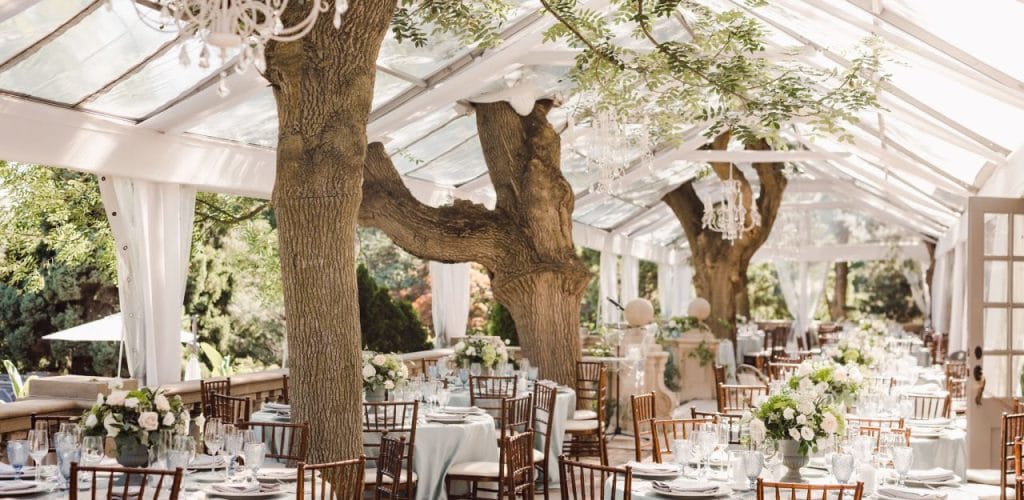
A 100-guest wedding is the most common — and the easiest to model — which makes it the perfect benchmark for Toronto couples building a realistic budget.
For a 100-person wedding in Toronto in 2026, couples should expect: $45,000–$80,000+
This ballpark typically includes:
- Catering
- Venue rental or minimum spend
- Staffing
- Bar service
- Florals & décor
- Photography & videography
- Entertainment (DJ/band)
- Attire, hair & makeup
- Transportation
- Misc. production fees
Hidden Cost / Variable Call Out:
Per-guest catering — the sneaky line item that adds up fast — can range from $100–$250+ per person, depending on the menu style, service level, and whether you’re going classic, culinary-forward, or full-on gourmand.
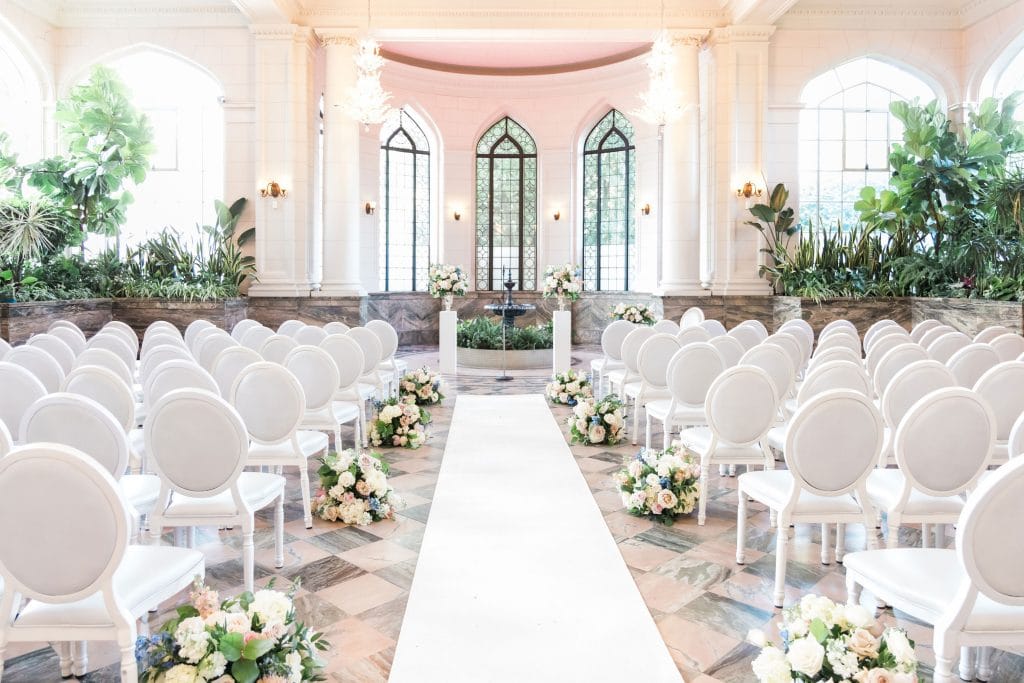
TORONTO WEDDING COSTS BY CATEGORY (WITH REAL VENDOR EXAMPLES)
Below is the full breakdown of Toronto’s 2026 wedding costs — complete with real vendor examples so you can explore options that actually match each price tier (and not just wishful thinking).
1. Wedding Venue & Catering Costs in Toronto
Venue + catering typically make up 40–50% of your total budget, or:
$25,000–$45,000+
Mid-Range Venue Examples (Matching $15k–$30k budgets):
Premium Venue Examples (Matching $30k–$60k+ budgets):
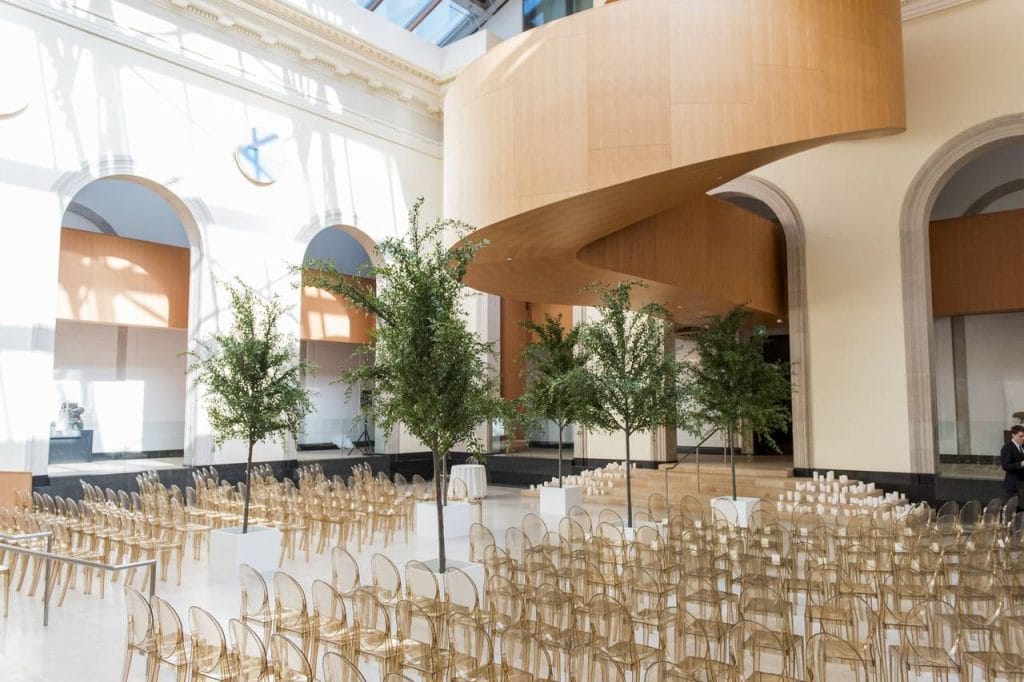
Venue Cost Factors
1. Season and Date
May–October = highest pricing and firm policies.
Winter months = 10–30% lower minimums and generally more flexibility.
2. Day of Week
Saturdays come with the longest lead times and the highest minimums — the Beyoncé of wedding dates. Fridays and Sundays are far more flexible (and way kinder to your budget).
And if you really want the VIP treatment, weekdays (Mon–Thurs) offer the best pricing, the most flexibility, and venues that are basically yours for the taking.
3. Duration
Long celebrations (9+ hours) rack up overtime staffing and often trigger extra fees for extended licensing. Rental vendors can also sneak in late-night teardown charges once you cross into pumpkin-hour territory. And don’t forget: bartenders, servers, and venue staff all switch to after-hours rates the moment the clock strikes “overtime.” Transportation companies love a late-night surcharge, especially after midnight. And if vendors have to come back the next morning to finish teardown, expect a few “surprise, it’s a second trip!” line items on the final invoice.
4. Inclusions
Some Toronto venues come fully loaded — chairs, tables, dinnerware, glassware, linens, bar setups, cocktail tables, patio heaters, umbrellas, AV gear, staffing, and onsite kitchens. Others hand you four walls and a dream, requiring full rental orders to essentially “build” the venue from scratch. Both approaches have their charms: all-inclusive venues keep your logistics (and vendor list) blissfully streamlined so you can focus on the fun stuff, while the more DIY-style spaces offer maximum personalization… along with a puzzle of deliveries, pickups, and overlapping fees that can make your planner’s eye twitch.
5. Minimum Spend Requirements
This is one of Toronto’s biggest cost drivers. Many venues require $15,000–$50,000+ in food and beverage minimums before taxes and service charges. If you’re a culinary-minded couple, these minimums are basically a non-issue—you’d spend it anyway. But if your priority is a stunning space and food/drink is more of a “nice to have,” those minimums can balloon your total spend faster than you can say “signature cocktail.”
2. Wedding Catering Costs in Toronto
Per-person catering costs vary widely:
- Mid-range: $50–$150+
- Premium: $150–$250+
- Luxury: $300+ per person
And remember — that starting price is just the appetizer. Once you add upgraded proteins, extra courses, canapés during cocktail hour, late-night snacks, and the often-forgotten wedding party breakfast, it’s shockingly easy to blow past the “per person” number that wedding packages love to advertise.
Mid-Range Caterers:
Luxury Caterers:
Hidden Cost / Variable Call Out: Late-night stations and premium bar packages raise costs quickly.
3. Wedding Photography & Videography
In Toronto, most couples spend around $6,000–$10,000 for combined photography and videography—totally fair for a solid mid-tier team covering the full day. But if you’re after cinematic films, multiple shooters, drone magic, or gallery-worthy editorial vibes, those numbers climb fast into the $10,000–$15,000+ range. Photography alone often runs $4,000–$7,000, with videography mirroring that depending on how fancy you get. Yes, you can find budget options under $4,000, but expect shorter hours and far simpler deliverables. If storytelling, artistry, and “wow, we actually look like a magazine spread” energy matter to you, plan for the upper tier. Toronto has incredible talent—but the upgrades add up faster than you can say “golden hour.”
Toronto photography & video combined typically cost:
Mid-Range Photographers:
Premium Photographers:
Videographers:
Hidden Cost / Variable Call Out: Premium add-ons include:
- Drone footage — totally optional, but if you’ve got a scenic property or a visual installation that deserves its own moment, drone is an amazing add-on. It brings a cinematic sweep to your gallery or film and tells the story of your day from a whole new perspective.
- Second shooter — we recommend one every. single. time. Not because you need a full paparazzi squad, but because it guarantees both the close-up and the wide shot of the same magical moment (like that iconic first kiss). It also lets one photographer focus on décor details and guest interactions while the other focuses on you and the wedding party. Translation: zero missed moments.
- Full ceremony edit — this is the start-to-finish, no-skipped-vows version of your ceremony. Think of it as the archival keepsake: every word, every reading, every reaction captured in full so you can relive the entire moment exactly as it happened.
- Cinematic highlight film — this is the polished, emotional, movie-trailer version of your day. It blends the best moments, the prettiest visuals, and the most meaningful audio into a beautifully edited short film that feels like your own mini-love-story feature. Also, if you’re wanting to share your wedding video on socials, this is the version people will actually watch (not the long sentimental version you keep for yourself).
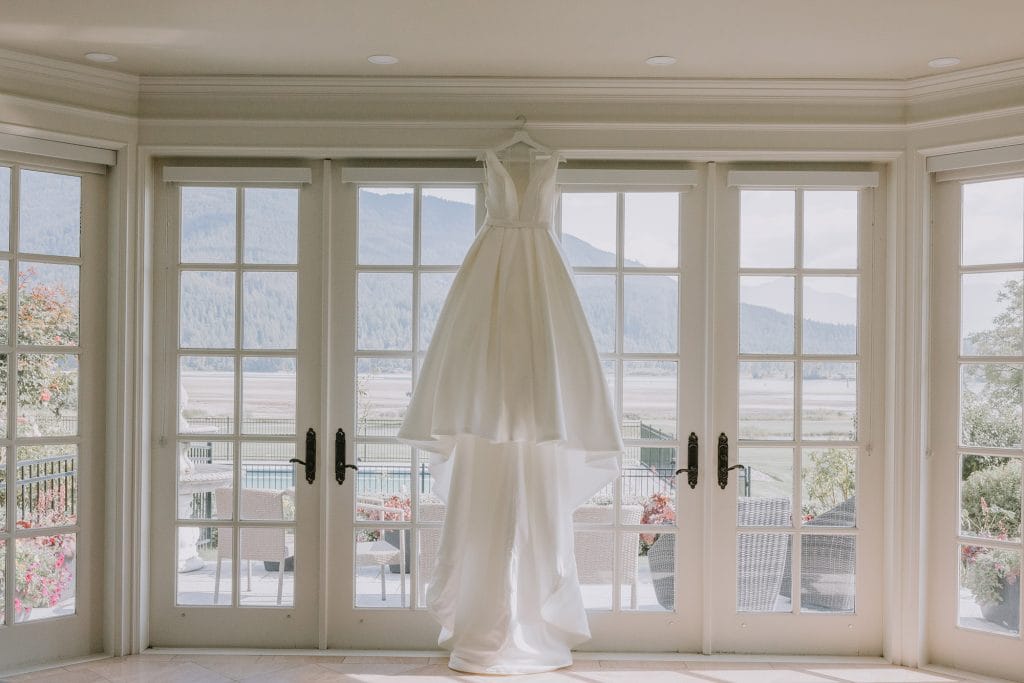
4. Wedding Attire + Beauty Services
Beyond the sticker price of the dress itself, don’t forget the quiet-but-inevitable costs that come after: alterations, pressing/steaming, and preservation. Alterations typically run $300–$900+, depending on the complexity of the gown (fabric type, lace appliqué, boning adjustments, hemming multiple layers, bodice restructuring — all of these impact cost). Pressing or steaming pre-wedding can range $75–$150, and professional post-wedding preservation sits around $250–$500, especially for gowns with delicate beading or multiple fabric types.
Couples also often forget to account for the additional outfits that sneak into the overall wardrobe budget. Think:
- Reception or “second look” dress
- Cultural attire (like the stunning red qipao worn by many Chinese brides during tea ceremonies)
- Bridal shower outfit
- Bachelorette outfit(s)
- Rehearsal dinner attire
- Post-wedding brunch look
None of these are mandatory — but if fashion is a priority, they can easily add $300–$2,000+ depending on style and number of events. Budget accordingly so nothing catches you by surprise.
Wedding Dress Costs:
- Budget-friendly: $800–$1,500
- Example: Sash & Bustle
- Mid-range: $1,800–$3,500
- Example: Ferré Sposa
- Luxury: $5,000–$12,000
- Example: White Toronto
Groom’s Attire:
Grooms also have their own version of “don’t forget these costs”: tailoring (typically $75–$250+), shirt pressing, accessories (tie, pocket square, shoes, cufflinks), and—if cultural attire is part of the celebration—traditional garments that may add another $200–$800+. Reception outfit changes are becoming more popular too, especially for grooms who want something lighter, cooler, or more dance-friendly.
- Mid-range suits: $400–$800
- Example: Indochino
- Premium suits: $1,000–$3,000+
- Example: Garrison Bespoke
Hair & Makeup Artists:
- Mid-range: $150–$250 per service
- Premium: $300–$600 per service
Luxury-Tier HMUA (Celebrity, Editorial & Couture Styling)
- Luxe Bridal Glow
- Blush Avenue
- Bridal Hair Couture by Katie
- Mona.co Studio (also premium, but luxury-calibre for bridal editorial looks)
- Helia Tavakoli Beauty (specializes in ultra-glam, all-day service packages)
South Asian Bridal Hair & Makeup Specialists
- Faye Smith Agency — South Asian Bridal Division
- Ayesha Hussain Artistry (Beautee by Ash)
- Satine Studio (Chinese, Asian, and fusion bridal looks)
- Bridal Beauty (multi-cultural wedding HMUA team)
- Michael Fels Beauty
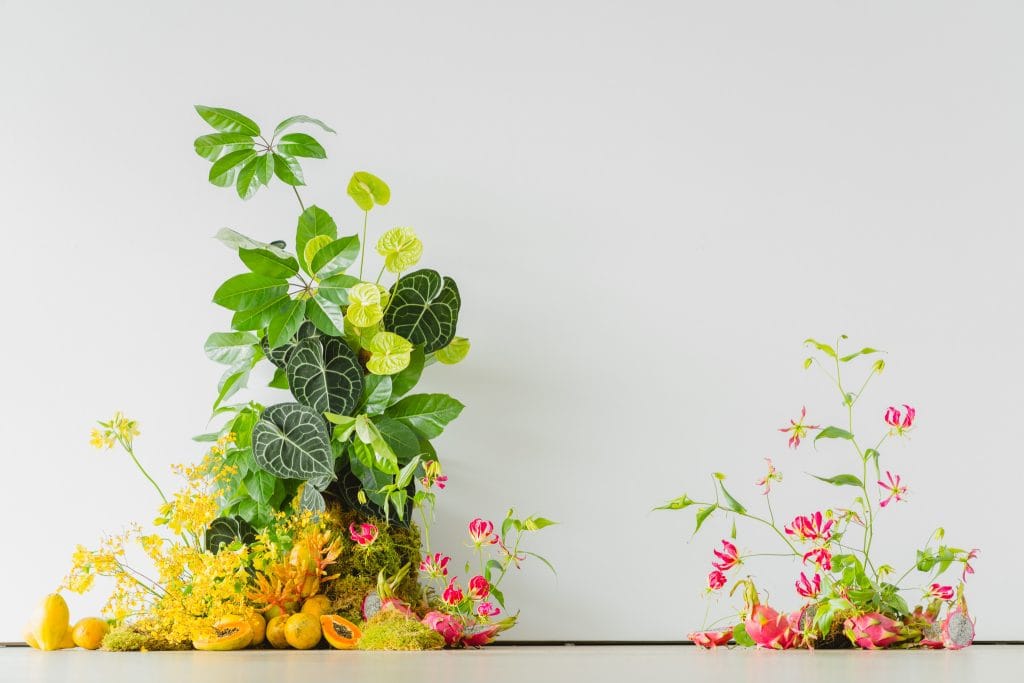
5. Wedding Flowers & Decor
Average budget: $1,500–$4,500+
(With premium florals easily reaching $8k–$15k)
Mid-Range Floral Designers:
Premium Floral Designers:
Décor & Rentals:
Mid-range rental option:
Premium décor company:
- Detailz Couture Event Rentals
- VintageBASH Luxury Rentals & Styling
- Opulence Event Rentals
- Revel House Event Design
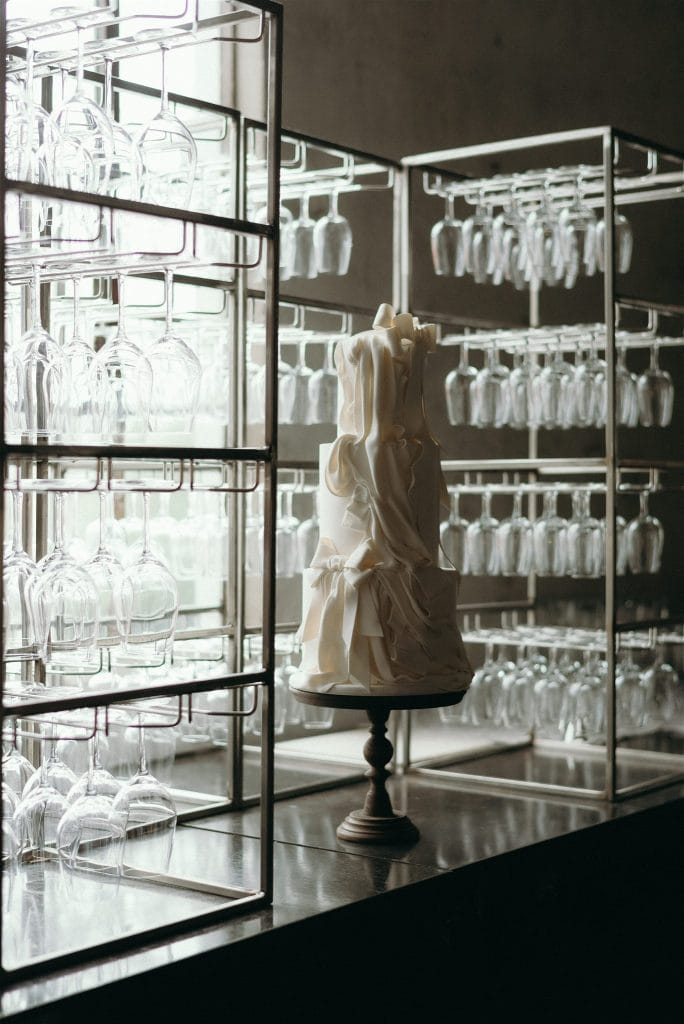
6. Wedding Cake & Desserts
Typical cake spend: $300–$900
Mid-range cakes: $450–$1,000+
(Simple tiers, buttercream designs, moderate customization, 2–3 tiers)
Premium cakes: $1,200–$2,500+
(Fondant work, hand-painted elements, sugar flowers, sculptural designs, 3–5 tiers, specialty flavors)
Mid-Range Bakers:
Mid-range bakers deliver beautiful, delicious cakes with classic buttercream finishes, elegant florals, and moderate customization. Perfect for couples who want something stylish and reliable without diving into the ultra-custom price bracket.
- Dainty Cakes
- Dainty Cakes — https://www.daintycakes.ca
- Cakes by Mickey
- Dufflet Pastries
- The Rolling Pin
Premium Bakers:
Premium bakers create edible art: hand-painted tiers, sugar-flower arrangements, sculpted designs, and multi-tier showpieces that double as décor. Ideal for couples prioritizing a visual “wow” moment and highly customized flavor profiles.
Cultural Dessert Specialists
For couples celebrating cultural traditions (or just loving amazing sweets), Toronto offers exceptional dessert artisans who specialize in heritage-driven flavours and presentation.
Chinese & East Asian Pastry Specialists
- Daan Go Cake Lab (modern Chinese-inspired pastries, character cakes, and dessert tables)
- Bake Code (Taiwanese-inspired pastries and buns; perfect for dessert stations)
- Fuwa Fuwa (Japanese souffle-style cakes — a soft, modern alternative to classic tiers)
South Asian Dessert Specialists
- Mon K Patisserie (South Asian–inspired pastries and fusion sweets)
- Rahier Patisserie (often used in South Asian fusion dessert tables)
- Ambrosia Mithai Shop (traditional mithai for receptions and tea ceremonies)
Non-Cake Dessert Alternatives
For couples who prefer something playful, unexpected, or entirely non-cake, these Toronto vendors offer full dessert experiences perfect for late-night stations or replacing the traditional tiered cake altogether.
- Sweet Sammies Ice Cream Sandwiches
- Eva’s Original Chimneys (Chimney Cake & Soft Serve)
- The Doughnut Lady / Bloomer’s Doughnuts
These alternatives are great for couples who want memorable treats, customizable flavours, and fun interactive stations that guests love.
7. Wedding Entertainment
DJ services: $2,000–$5,000+
Mid-Range DJs:
Reliable, experienced, and perfect for couples who want great energy without going full-scale production.
Premium DJs / Entertainment Firms:
Best for couples wanting high-production value, bilingual MCs, lighting design, custom mixes, staged setups, and multi-artist teams.
Live Music:
- String Ensembles:
- Live wedding bands:
8. Additional Entertainment Options
These experiential add-ons can significantly increase the average wedding cost Toronto couples pay — but they also add a ton of personality, guest engagement, and “wow” moments to your day.
Photo Booths
Fun, simple, and perfect for couples who want prints or digital galleries without heavy branding or production.
- Mid-range:
- Premium:
Live Painters
A breathtaking souvenir that couples keep forever — and an incredible guest experience to watch in real time.
- Stephanie Anne Art
- Evgenia Rees Art (Live Event Painting)
- Melissa Petrie Live Painting
- Ben Rea Live Painting
Caricature Artists
Fun, interactive entertainment that doubles as a guest keepsake.
360 Video Booths
These are wildly popular thanks to TikTok & Reels — dynamic, shareable videos with branded overlays.
Special FX
Perfect for first dances, grand entrances, and dramatic party moments.
9. Wedding Party Costs (Often Overlooked)
Expect to spend $1,000–$3,000 on wedding party costs, depending on how much coverage you choose to provide. Not all couples pay for their wedding party’s expenses — and there’s absolutely no rule saying you have to. But for couples who do want to support their wedding party, the most common items to cover are hair, makeup, and wardrobe (such as dresses, suits, or accessories).
Some couples fully cover these costs as a gesture of appreciation, while others contribute a set amount or only cover certain services (for example, paying for professional makeup while the wedding party handles their own attire). Your approach can be totally flexible — simply choose what feels right for your relationships, your expectations of participation, and your overall budget.
Bridesmaids’ Dresses
- Budget: $120–$200 — Azazie
- Mid-range: $200–$350 — Park & Fifth
Hair & Makeup for Bridal Party
Groomsmen Suits
Wedding Party Dresses (Bridesmaids’ Dresses)
Bridesmaids’ dresses can come from online retailers, which offer broader size ranges and lower price points, or brick-and-mortar boutiques, which provide higher-end fabrics, in-person fittings, and designer collections. Toronto offers a mix of both.
Budget ($120–$200)
Perfect for mixed styles, inclusive sizing, and fast delivery — great for wedding parties shopping from different cities.
Mid-Range ($200–$350)
Toronto boutiques offering modern styles, high-quality fabrics, and in-store try-ons for a more curated experience.
Hair & Makeup for the Wedding Party
Most couples provide HMU services for the wedding party as a thank-you and to ensure a cohesive look. These Toronto teams offer on-site services, trials, and group packages.
Groomsmen Suits
Groomsmen attire can be purchased (great for keeping the look consistent) or rented (budget-friendly for formalwear). Toronto has strong options for both.
Purchase Options
Rental Options

10. Wedding Planning & Coordination
Toronto weddings are a beautiful whirlwind of logistics, strict venue minimums, fierce vendor competition, and timelines that move at lightning speed — which is exactly why having a professional planner is one of the smartest investments a couple can make. Thistle & Thorne, led by senior planner Jodie, brings deep, insider-level expertise to navigating Toronto’s venues, budgets, vendor landscape, and production puzzle pieces.
Jodie’s approach is part strategy, part artistry: she builds realistic budgets (the kind that actually reflect Toronto pricing), matches you with vendors who align with your vision and your wallet, and heads off the hidden fees and avoidable slip-ups that make Toronto weddings so notoriously expensive. Whether you need full-service planning or month-of coordination, Thistle & Thorne keeps your wedding organized, efficient, and flawlessly executed — so you get to stay immersed in the joy of the day, not the juggling act behind it.
Work with our Toronto Wedding Planners
Average Cost of a Wedding in Ontario vs Toronto
f you’ve ever wondered why Toronto weddings seem to happen in a different financial universe, you’re not imagining it. Ontario weddings are lovely — Toronto weddings are lovely with surge pricing. The city’s venues, labour market, and vendor demand all play by big-city rules, which means the price tag climbs faster than a late-night Uber.
Here’s how the numbers really shake out:
Ontario average: $35,000–$50,000
Toronto average: $50,000–$120,000+
(and yes, luxury weddings commonly exceed this — Toronto does not play.)
Toronto Weddings are 20–35% more expensive than Ontario based weddings because of:
Labour & Staffing
Toronto vendors operate with higher hourly wages, union environments in some venues, and big-city cost of living — and it all trickles into your quote.
Venue Minimums
Many downtown and luxury venues come with $15,000–$50,000+ food & beverage minimums before tax and service — even for smaller guest counts.
Premium Catering Expectations
Toronto couples (and venues) tend to favour elevated menus, multi-course dinners, late-night food stations, and chef-driven concepts. The city loves good food, and it shows up on your invoice.
Limited Vendor Availability
Top-rated vendors book out 12–18+ months in advance, driving up pricing for remaining dates and premium dates (hello, Saturdays).
High Urban Delivery Costs
Traffic, parking, load-in fees, downtown access windows, elevator timing, and venue restrictions all add time (and therefore money) for florists, décor teams, rentals, and AV crews.
How to Do a Toronto Wedding on a Budget (and Still Make It Beautiful)
Yes, Toronto is one of the most expensive places in Canada to get married — the city practically charges you for breathing near a historic building — but a meaningful, stylish celebration is absolutely possible on a lower budget. The trick is knowing where to be strategic and where to let go. Doing a Toronto wedding on a budget isn’t about sacrificing beauty or vibes; it’s about making smart choices that actually move the financial needle while keeping the guest experience (and your sanity) intact.
Below are the highest-impact decisions you can make to bring the costs down without making your wedding feel budget-conscious.
Reduce Guest Count
Your guest list is the Beyoncé of your budget: whatever it wants, it gets. Every additional person affects catering, bar service, rentals, florals, stationery, transportation — basically everything except maybe your officiant.
Cutting even 20–30 guests can free up several thousand dollars, which you can redirect into higher-impact design moments, upgraded menu items, or a dream vendor you thought was out of reach. Smaller headcount = more intentional choices and a more elevated experience for everyone who is there.
Choose Friday/Sunday or Winter Dates
Want instant savings without changing anything about your vision? Change your date.
Toronto is a Saturday-wedding city, which means venues and vendors charge Saturday-wedding prices. But:
Fridays and Sundays often come with lower food & beverage minimums, smaller rental fees, and more flexibility from vendors.
Winter weddings (November–April) can shave 10–30% off venue and vendor pricing — and you get that moody, candlelit, snowscape magic for free.
You’re not compromising. You’re just sidestepping peak pricing like the spreadsheet genius you are.
Limit Open Bar Hours
A full open bar is the financial equivalent of handing your budget a lit match. Alcohol is one of the fastest-moving line items, and Toronto bartending rates don’t play around. Instead of letting the bar run wild all night, consider a 2–3 hour open bar window, offering beer + wine + a signature cocktail, or even closing the bar during dinner (guests barely notice — they’re busy eating, chatting, and being gorgeous).
These tweaks keep the vibe high and the costs predictable… and no one wakes up the next morning saying, “Ugh, that wedding was fun, but I really wish I had access to unlimited vodka sodas for six consecutive hours.”
Focus on Mid-Range Vendors for High-Impact Categories
Here’s the truth: you do not need a luxury vendor in every single category to have a luxury-feeling wedding. Toronto has fantastic mid-range creatives who produce beautiful work without the premium price tag.
The trick is knowing where to invest and where to scale back.
Splurge on: photography, planning, catering — the categories that define your day and your memories.
Save on: rentals, florals, entertainment — go mid-range, reputable, and design-forward.
This approach creates a beautifully-balanced budget where everything looks elevated, but nothing breaks the bank.
Repurpose Ceremony Florals
Double-duty florals are a budget superhero. Anything used for your ceremony — aisle arrangements, altar florals, floral pillars, ground installations — can (and should!) be repurposed for the reception.
Move them to your head table, bar area, entrance display, or photo backdrop to stretch your floral investment and maximize visual impact. No one will think, “Hey, didn’t that arrangement walk down the aisle earlier?” They’ll just think your florist is a genius… which, to be fair, they probably are.
Use Planners to Avoid Costly Mistakes
Wedding planners aren’t just logistics pros — they’re budget bodyguards. A planner’s knowledge of venue minimums, vendor pricing, hidden fees, and contract fine print can save you thousands by preventing the very mistakes most couples don’t even realize they’re making until it’s too late.
Especially in a high-cost market like Toronto, having a planner means you’re making informed decisions instead of expensive ones. They help you avoid unnecessary add-ons, negotiate smarter, and allocate your budget where it actually matters.
In short: a good planner pays for themselves long before the big day arrives.
Tips include:
- Reduce guest count
- Choose Friday/Sunday or winter dates
- Limit open bar hours
- Focus on mid-range vendors for high-impact categories
- Repurpose ceremony florals
- Use planners to avoid costly mistakes
Final Thoughts
Toronto weddings are extraordinary — but they absolutely demand realistic budgeting. Knowing the average wedding cost Toronto couples are facing in 2026 gives you the power to make confident, informed decisions instead of getting blindsided by sticker shock.
And now that you’ve got this pricing guide plus real vendor examples at every budget level, you’re officially armed with the most complete, no-nonsense resource out there for planning a Toronto wedding. Go forth and plan like the absolute icon you are.
Answer: While there is an upfront fee, using a wedding planner can be cheaper in the long run. Planners save you money by providing access to exclusive vendor discounts, preventing costly contractual errors, and ensuring your budget is strictly managed to avoid overspending on unnecessary items.
Answer: In 2026, $5,000 is typically only enough for a micro-wedding, an elopement, or a city hall ceremony in Ontario. For a traditional wedding with a guest list, this amount generally covers only a few vendor deposits rather than a full event.
Answer: Destination wedding planners typically charge between 10% and 20% of the total wedding budget, or a flat fee ranging from $5,000 to $15,000+, depending on the complexity of the travel logistics and the level of on-site coordination required.
Answer: For a destination wedding in 2026, couples should budget between $25,000 and $50,000 on average. This varies greatly depending on the location, guest count, and whether you are covering travel costs for your guests or just the event itself.