Weddings on your terms
Written by : Jodie Garneau
Eloping has changed. What once felt secretive or impulsive is now something deeply intentional. Couples are choosing to get married in ways that feel calm, meaningful, and aligned with who they are, rather than what’s expected of them.
When you look towards the great, vast North, Canada elopement offers something priceless: space. Space to breathe. Space to be present. Space to focus entirely on each other. Instead of managing timelines built around guests and logistics, your elopement experience becomes centered on what matters most. The two of you, standing together beside alpine lakes, surrounded by towering mountains, and held in the quiet of a beautiful location that feels entirely your own.
But the ease couples crave doesn’t happen by accident. The most seamless elopement day is one that has been thoughtfully planned, where every decision supports how you want the day to feel. Calm. Grounded. Unrushed. When all the details are handled, you’re free to simply exist in the moment rather than manage it.
You might picture a private ceremony at Lake Louise, exchanging vows near Moraine Lake, or finding yourselves alone in quiet wildflower meadows with only your closest friends or loved ones present. However it looks, avoiding a few common mistakes can ensure your experience feels as effortless as it deserves to be.
This guide walks you through the most common missteps couples make when eloping in Canada, and how to avoid them, so you can move forward with clarity, confidence, and the freedom to fully enjoy your day.
TABLE OF CONTENTS
- Mistake #1: Treating an Elopement Like a Last-Minute Decision
- Mistake #2: Choosing a Location Based Only on Photos
- Mistake #3: Not Understanding Legal Requirements and License Rules
- Mistake #4: Underestimating the Timeline of Your Elopement Day
- Mistake #5: Trying to Plan Everything Alone
- Mistake #6: Trying to Recreate a Traditional Wedding — Just Smaller
- Mistake #7: Not Planning for Weather, Travel, and Unexpected Changes
- Why Canada Is One of the Best Places to Elope
- Destinations for A Canada Elopement
- Banff National Park, Alberta
- Jasper National Park, Alberta
- Yoho National Park, British Columbia
- Pacific Rim National Park Reserve, British Columbia
- Tofino, British Columbia
- Haida Gwaii, British Columbia
- Whistler, British Columbia
- Waterton Lakes National Park, Alberta
- Kluane National Park and Reserve, Yukon
- Cape Breton Highlands National Park, Nova Scotia
- Gros Morne National Park, Newfoundland & Labrador
- Peggy’s Cove, Nova Scotia
- Prince Edward Island National Park, Prince Edward Island
- Charlevoix, Quebec
- Saguenay Fjord National Park, Quebec
- Mont‑Tremblant National Park, Quebec
- Lake Superior Provincial Park, Ontario
- Algonquin Provincial Park, Ontario
- Emerald Lake, British Columbia
- Abraham Lake, Alberta
- Destinations for A Canada Elopement
- FAQs
The Macleans
Mistake #1: Treating an Elopement Like a Last-Minute Decision
Even small weddings require coordination! Travel logistics, accommodation, permits, and photography all need to align. One of the biggest myths about eloping is that it happens spontaneously. While spontaneous decisions may sound romantic, a truly stress free elopement requires preparation.
Canada’s most iconic places to elope, including Lake Louise, Moraine Lake, and alpine regions throughout Banff and British Columbia, require permits, planning, and coordination. These beautiful location options are popular, and availability can fill months in advance.
When couples wait too long to start planning, they often face limitations such as:
- Crowds becoming impossible to avoid
- Missing marriage license timelines
- Limited availability for experienced vendors
- Settling for less ideal locations
- Losing access to stunning venues during peak seasons
How to avoid it:
Start planning as soon as you decide to elope. Ideally, begin planning three to nine months in advance. This gives you access to the best places to elope, experienced vendors, and ideal seasonal conditions such as mild temperatures, warm weather, or late September fall colors.
The Macleans
Mistake #2: Choosing a Location Based Only on Photos
Canada is home to some of the most breathtaking landscapes in the world. From alpine lakes and alpine meadows to red sand beaches in Prince Edward Island and dramatic coastlines in British Columbia, the options are endless.
But photos alone do not tell the full story.
A location that looks perfect online may have challenges such as:
- Long hiking distances
- Limited parking lot access
- Crowds during peak hours
- Permit restrictions
- Difficult terrain
- Weather exposure
For example, Moraine Lake and Lake Louise offer stunning views and an epic backdrop, but they also require careful timing and planning. Early morning ceremonies often provide fewer crowds and more privacy. Similarly, suspension bridge locations, mountain viewpoints, and waterfall areas with water crashing over rocks may look incredible but require accessibility planning.
How to avoid it:
Choose your location based on more than appearance. Consider accessibility, privacy, seasonal conditions, and legal requirements. Ideally, we would recommend you adventure to your location before the wedding as part of your research and planning phase to make sure accessing it is feasible on the day.

The Macleans
Mistake #3: Not Understanding Legal Requirements and License Rules
One of the most important steps in any Canada elopement is ensuring you become legally married. Each province in Canada has its own legal requirements, and couples must obtain a marriage license before the ceremony. These rules vary depending on where you plan to get married.
Legal requirements often include:
- Obtaining a valid marriage license
- Using a licensed officiant
- Having two witnesses present
- Completing official documentation
- Registering the marriage after the ceremony
In provinces like Ontario, British Columbia, and Alberta, the marriage license process is straightforward but must be completed correctly. Failing to follow these legal requirements can delay or prevent your marriage from being officially recognized.
How to avoid it:
Research the legal requirements for your province early. Apply for your marriage license within the required timeframe and confirm witness and officiant rules. Taking care of these steps ensures you are legally married and can focus fully on your elopement day.
The Macleans
Mistake #4: Underestimating the Timeline of Your Elopement Day
Many couples assume that because they elope, they do not need a timeline. But even the most intimate private ceremony benefits from thoughtful pacing. A well-structured elopement day allows space for meaningful moments, photography, and emotional presence.
Without a timeline, issues can arise such as:
- Missing golden hour lighting
- Feeling rushed during your ceremony
- Vendor scheduling conflicts
- Travel delays
- Weather challenges
A thoughtful timeline might include:
- Getting ready slowly and intentionally
- Traveling to your ceremony location
- Exchanging vows in a private ceremony
- Exploring mountain views or alpine lakes afterward
- Sharing a private dinner together
- Watching sunset in a peaceful setting
How to avoid it:
Hire an elopement planner to build out your timeline and oversee logistics. Work with your photographer or planner to create a flexible timeline that protects your experience while allowing room for spontaneity. Structure creates freedom. When all the details are handled, you can be fully present.
The Macleans
Mistake #5: Trying to Plan Everything Alone
Many couples assume that because their wedding is small, the planning will be simple. Fewer guests must mean fewer details, right?
Not exactly.
Elopements remove the pressure of a large guest list, but they still involve dozens of invisible decisions happening behind the scenes. And when you’re planning it yourselves, every one of those decisions lands in your lap. Planning alone means quietly stepping into roles you never expected to hold. You become the researcher, the coordinator, the logistics manager, and the contingency planner all at once. You find yourselves navigating:
- Marriage license applications, each with their own timelines and requirements
- Permits for national parks, protected landscapes, or private venues
- Choosing locations that are not only beautiful, but legally and logistically accessible
- Travel logistics, from flights to rental cars to remote access points
- Accommodation that aligns with your timeline, locations, and overall experience
- Vendor coordination, often across different regions or time zones
- Weather contingencies, especially in alpine, coastal, or wilderness settings where conditions can change quickly
- Timeline creation, ensuring the day flows naturally without feeling rushed or stressful
None of these elements are impossible. But together, they create a quiet mental load that can pull you out of what this experience is meant to be: intentional, present, and deeply personal.
How to avoid this mistake
Work with professionals who specialize in elopements, not just weddings in general. Elopements operate differently. They require flexibility, local knowledge, and an understanding of how to design a day that feels natural rather than structured. The right team helps carry the invisible weight. They handle the logistics, anticipate the obstacles, and guide you through decisions you didn’t even know you needed to make.
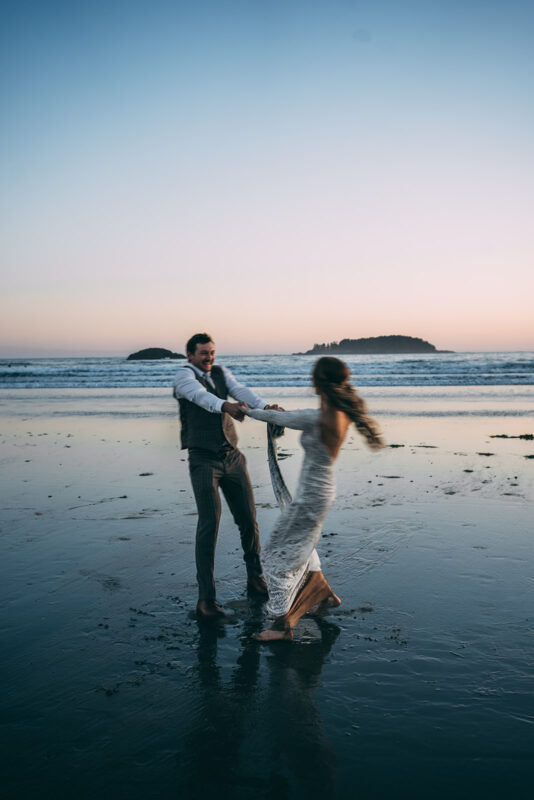
Thistle & Thorne is a team of elopement planning specialists, so, instead of worrying about permits, timing, or backup plans, you can focus on what brought you here in the first place: each other, the landscape around you, and the quiet significance of the moment.
The Macleans
Mistake #6: Trying to Recreate a Traditional Wedding — Just Smaller
One of the most common misconceptions about eloping is that it’s simply a smaller version of a traditional wedding. So couples unintentionally recreate the same structure. A strict timeline. Multiple locations. Packed schedules. Formal expectations. The pressure to perform rather than simply exist in the moment.
But elopements were never meant to follow the same rules.
When you remove the guest list, you also remove the need for most of the structure that comes with it. There’s no audience waiting. No reception timeline to maintain. No pressure to move from one formal event to the next. And yet, many couples still find themselves rushing.
They schedule too many locations in one day. They worry about fitting everything in. They focus on maximizing the experience instead of actually feeling it. The result is a day that looks beautiful, but passes too quickly.
The most meaningful elopements are the ones that leave space. Space to sit together in silence. Space to take in the landscape. Space to let the experience unfold naturally, rather than forcing it into a rigid schedule. Elopements are not defined by how much you do. They’re defined by how deeply you experience it.
How to avoid it
Let go of traditional wedding expectations. Your elopement doesn’t need to follow a template. Choose one or two meaningful locations instead of five. Build a timeline that allows for pauses, not just movement. Trust that slower often feels richer.

The Macleans
Mistake #7: Not Planning for Weather, Travel, and Unexpected Changes
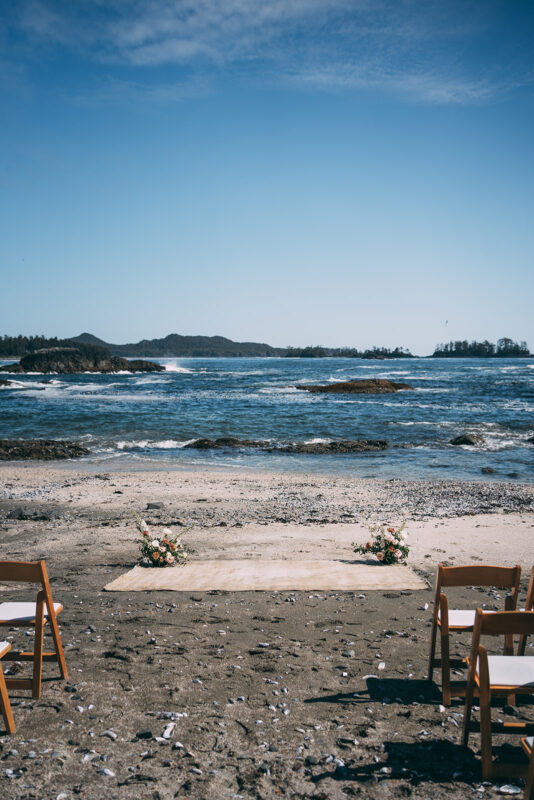
Nature is unpredictable. Weather, trail conditions, and travel delays can all impact your plans.
Canada’s landscapes offer incredible beauty, but conditions can change quickly. Mild temperatures can shift suddenly. Trails may close. Flights may be delayed.
Couples who prepare backup plans experience far less stress.
How to avoid it:
Plan for flexibility by preparing:
- Alternative locations
- Backup timelines
- Weather-appropriate clothing
- Transportation contingencies
The Macleans
Why Canada Is One of the Best Places to Elope
Canada offers unmatched diversity for couples who want to elope.
You can get married beside alpine lakes, in alpine meadows, on red sand beaches in Prince Edward Island, or surrounded by towering mountains in Banff.
Canada provides:
- Stunning venues
- Fewer crowds in remote areas
- Mild temperatures in many regions
- Endless adventure opportunities
- Beautiful locations for every season
From early morning ceremonies beside Lake Louise to sunset celebrations overlooking mountain views, Canada offers extraordinary possibilities.
Here is a curated list you can use for your blog section. Each destination includes a direct official link so couples can explore permits, planning info, and travel details.
Destinations for A Canada Elopement
1. Banff National Park, Alberta
Canada’s first national park, known for its turquoise lakes, towering peaks, and iconic locations like Lake Louise and Moraine Lake.
Official site: https://parks.canada.ca/pn-np/ab/banff
2. Jasper National Park, Alberta
Vast wilderness, quiet alpine lakes, and one of the world’s largest dark sky preserves make this ideal for remote, peaceful elopements.
Official site: https://parks.canada.ca/pn-np/ab/jasper
3. Yoho National Park, British Columbia
Waterfalls, dramatic cliffs, and emerald lakes create a raw, cinematic setting.
Official site: https://parks.canada.ca/pn-np/bc/yoho
4. Pacific Rim National Park Reserve, British Columbia
Wild coastline, ancient rainforest, and endless ocean views near Tofino.
Official site: https://parks.canada.ca/pn-np/bc/pacificrim
5. Tofino, British Columbia
Stormy beaches, driftwood shorelines, and quiet coastal magic.
Official site: https://tourismtofino.com
6. Haida Gwaii, British Columbia
Remote islands with misty forests, dramatic cliffs, and deep cultural significance.
Official site: https://www.gohaidagwaii.ca/
7. Whistler, British Columbia
Mountain peaks, alpine lakes, and scenic gondola-access viewpoints.
Official site: https://www.whistler.com
8. Waterton Lakes National Park, Alberta
Quiet mountain lakes and fewer crowds compared to Banff.
Official site: https://parks.canada.ca/pn-np/ab/waterton
9. Kluane National Park and Reserve, Yukon
Glaciers, wild tundra, and Canada’s highest peak, Mount Logan.
Official site: https://parks.canada.ca/pn-np/yt/kluane
10. Cape Breton Highlands National Park, Nova Scotia
Ocean cliffs, winding coastal roads, and dramatic Atlantic scenery.
Official site: https://parks.canada.ca/pn-np/ns/cbreton
11. Gros Morne National Park, Newfoundland & Labrador
UNESCO World Heritage Site with fjords, cliffs, and ancient geology.
Official site: https://parks.canada.ca/pn-np/nl/grosmorne
12. Peggy’s Cove, Nova Scotia
Iconic lighthouse and rugged Atlantic shoreline.
Official site: https://visitpeggyscove.ca/
13. Prince Edward Island National Park, Prince Edward Island
Soft sand beaches, dunes, and quiet coastal charm.
Official site: https://parks.canada.ca/pn-np/pe/pei-ipe
14. Charlevoix, Quebec
Mountains overlooking the St. Lawrence River, with charming villages and dramatic landscapes.
Official site: https://www.bonjourquebec.com
15. Saguenay Fjord National Park, Quebec
Towering cliffs and deep fjord waters create a striking, intimate atmosphere.
Official site: https://www.bonjourquebec.com/en-ca/where-to-go/routes-and-itineraries/discovering-the-saguenay-fjord
16. Mont‑Tremblant National Park, Quebec
Forest lakes, mountain lookouts, and peaceful wilderness close to Montreal.
Official site: https://www.sepaq.com/pq/mot
17. Lake Superior Provincial Park, Ontario
Dramatic cliffs and vast freshwater horizons.
Official site: https://www.ontarioparks.ca/park/lakesuperior
18. Algonquin Provincial Park, Ontario
Quiet canoe-access lakes and iconic Canadian forest scenery.
Official site: https://www.ontarioparks.ca/park/algonquin
19. Emerald Lake, British Columbia
Bright turquoise water surrounded by mountain peaks.
Official site:https://www.tourismgolden.com/activities/summer/canoeing-kayaking/emerald-lake
20. Abraham Lake, Alberta
Known for its frozen methane bubbles in winter and dramatic mountain backdrop.
Official site: https://www.travelalberta.com
FAQs
What are the consequences of eloping?
There are no negative legal consequences if you follow the proper legal requirements and obtain a marriage license. Some couples may experience emotional reactions from loved ones, but many choose to celebrate with friends and family afterward.
How to officially get married in Canada?
To get married in Canada, couples must obtain a marriage license, work with a licensed officiant, and have witnesses present. After the ceremony, the marriage is registered so you become legally married.
How to start the process of eloping?
Start planning by choosing your preferred location, securing your marriage license, hiring a photographer, and planning travel logistics. Early preparation ensures a smooth elopement experience.
Where can Canadians get legally married?
Canadians can get legally married in any province, including Ontario, British Columbia, Alberta, and Prince Edward Island, as long as legal requirements are followed.